They Told Her to Wear a Short Skirt. Now She’s Taking Them to Court.

Adams and Reese Law Firm Exposed for Shielding Harasser in Secret Arbitration Bid
Corporate Misconduct Accountability Project · EvilCorporations.com

Law Firm Tried to Bury Paralegal’s Harassment in Secret Arbitration. A Federal Court Just Stopped Them.

The Sixth Circuit ruled that Adams and Reese cannot force Randi Marie Bruce into arbitration over a supervisor’s crude sexual comments and jokes. The case will now be heard in public. I also expose what the sexual harasser looks like down below lmaoritto so pls scroll down

TL;DR

Adams and Reese LLP, a prominent law firm, employed paralegal Randi Marie Bruce in its Liquor Group. Her supervisor, attorney Rob Pinson, repeatedly made sexualized comments, including suggesting she wear a “short skirt” to please clients, calling her a “hoe,” and fantasizing aloud about her engaging in sex acts on his desk. When Bruce sued under Title VII and the ADA, the firm tried to force the entire case into private, binding arbitration. A federal appeals court has now ruled that under the Ending Forced Arbitration of Sexual Assault and Sexual Harassment Act (EFAA), the arbitration agreement is void for the entire case. The firm cannot hide from public accountability.

This ruling sends a clear message: survivors of workplace harassment have the right to a public courtroom. If you see something, say something.

1 Year
Duration of Harassment at Adams and Reese
3-0
Appellate Ruling Against Arbitration
$750
Unsolicited Personal “Bonus” from Harasser

A Toxic Culture of Power and Humiliation

⚠️
Core Allegations
What Rob Pinson subjected Randi Bruce to at work
01 Supervisor Rob Pinson repeatedly suggested in team meetings and work conversations, “Let’s have Randi go down there in a short skirt,” sexualizing her professional role. high
02 Pinson habitually addressed Bruce as “Hoe no” instead of “Oh no,” a demeaning and sexualized pun used in regular workplace interactions. high
03 On April 19, 2023, Pinson told colleagues it would be “hot” to see Bruce and another paralegal perform sexual acts on his office desk, a degrading fantasy voiced in the workplace. high
04 Pinson made persistent, ongoing comments about Bruce’s appearance, clothing, and private life, including inappropriate remarks about her engagement and relationship with her fiancé. medium
05 Bruce was forced to actively avoid Pinson at work and “hardly spoke to him” by late 2022 due to the hostile environment, which directly impacted her ability to function as part of the Liquor Group. But you don’t have to avoid him! Rob Pinson can be reached by calling 615-259-1407 high
👷
Worker Exploitation and Power Imbalance
How the firm leveraged its position against an employee
01 Despite Bruce’s diagnosed PTSD, ADHD, and sleep disorders, the firm placed her on a rigid schedule and threatened termination when her medication caused delayed sleep responses and tardiness. medium
02 Adams and Reese attempted to use a broad arbitration agreement to force Bruce’s sexual harassment and disability discrimination claims into a private, non-public forum. high
03 The firm argued in court that Bruce’s detailed allegations of a “consistent pattern of sexualized jokes” were insufficient to state a legal claim, attempting to dismiss the case on technical grounds. high
⚖️
Corporate Accountability Failures
Adams and Reese’s legal maneuvering to avoid public scrutiny
01 The firm moved to compel arbitration, a private process that would have sealed the allegations and the outcome from public view, shielding the firm and Pinson from reputational harm. high
02 Adams and Reese argued that even if Bruce’s harassment claim survived, her disability claims should still be arbitrated separately, a tactic designed to increase costs and pressure on the plaintiff. medium
03 The Sixth Circuit panel unanimously rejected the firm’s interpretation of the EFAA, holding that the entire “case” including the ADA claims is exempt from arbitration, a strong rebuke of the firm’s legal strategy. high

Timeline of Events

May 2022
Randi Bruce and Rob Pinson join Adams and Reese as part of the Liquor Group transfer from Waller. Harassment begins at the new firm.
Late 2022
Bruce begins actively avoiding Pinson and minimizing communication due to the hostile environment.
December 2022
Pinson makes inappropriate comments about Bruce’s engagement and relationship with her fiancé.
March 2023
Bruce experiences a delayed response to sedative medication, causing tardiness. Firm threatens termination instead of engaging in an interactive accommodation process.
April 19, 2023
Pinson makes explicit comment about Bruce engaging in sexual acts on his desk.
May 11, 2023
Bruce is terminated by Adams and Reese while in the process of providing updated medical documentation to HR.
February 25, 2026
Sixth Circuit Court of Appeals affirms the denial of arbitration, allowing Bruce’s full case to proceed in federal court.

Direct Quotes from the Legal Record

QUOTE 1 Pattern of Harassment Core Allegations
“Pinson would say, ‘Let’s have Randi go down there in a short skirt.’ … Pinson would say ‘Hoe no’ … Pinson made sexually suggestive comments about how ‘hot’ it would be to see Ms. Bruce and another paralegal engaging in sexual acts on his desk.”
💡 This excerpt from the complaint details the specific, degrading language used by a supervisor in a professional law firm environment. The use of “would” indicates repeated behavior, not isolated incidents.
QUOTE 2 Impact on Employee Core Allegations
“[Bruce] went out of her way to avoid [Pinson] … and hardly spoke to him.”
💡 This demonstrates the tangible effect of the harassment: Bruce was forced to alter her work behavior and isolate herself from a supervisor to survive the workplace, which is a key factor in establishing a hostile work environment.
QUOTE 3 Legal Maneuvering Accountability Failures
“Adams and Reese … moved to dismiss Bruce’s sexual-harassment claim and to compel arbitration of her ADA claims.”
💡 The firm attempted to split the case, isolating the harassment claim while pushing the disability claims into secret arbitration. This tactic increases legal costs and complexity for plaintiffs.
QUOTE 4 Court’s Rejection Accountability Failures
“The EFAA renders the arbitration agreement unenforceable with respect to each of the claims that comprise her case.”
💡 The Sixth Circuit emphatically rejected the firm’s narrow reading of the law. The ruling ensures that the entire pattern of corporate behavior, including the disability discrimination that followed the harassment, will be examined in open court.

Commentary

Why is this lawsuit against a law firm significant?
Law firms are supposed to be pillars of the justice system, yet Adams and Reese attempted to use a legal loophole (forced arbitration) to hide serious allegations of sexual harassment by a partner-level supervisor. This case exposes the hypocrisy of a powerful institution that advises corporations on compliance while allegedly fostering a toxic, degrading culture internally. It shows that even those who know the law best will try to evade accountability.
What is the EFAA and why did it matter here?
The Ending Forced Arbitration of Sexual Assault and Sexual Harassment Act is a federal law that allows survivors of workplace sexual harassment to take their cases to court, even if they signed an arbitration agreement. Adams and Reese tried to argue the law only applied to the harassment claim and not her disability claims. The court disagreed, ruling that the entire “case” related to the harassment dispute. This is a critical victory because it prevents corporations from burying the full story in a private, secretive forum.
Is this a frivolous lawsuit or just “office banter”?
Absolutely not. The Sixth Circuit judges, in a published opinion, found that the allegations were “plausible” and “sufficiently severe or pervasive.” Telling a female paralegal to wear a “short skirt” for clients, calling her a “hoe,” and describing sex acts on office furniture in her presence is not banter; it is textbook sexual harassment that creates a hostile and abusive work environment. The court recognized that this behavior “humiliated” Bruce and interfered with her job performance.
What can I do to prevent this from happening again?
First, speak up. Document everything. If you witness harassment, support the victim. Second, demand that your employer and the companies you buy from end forced arbitration clauses in employment contracts. These clauses are designed to protect corporations, not workers. Third, share stories like Randi Bruce’s. Public accountability is the most powerful tool we have against corporate misconduct. The more we shine a light on these cases, the harder it is for firms like Adams and Reese to hide.
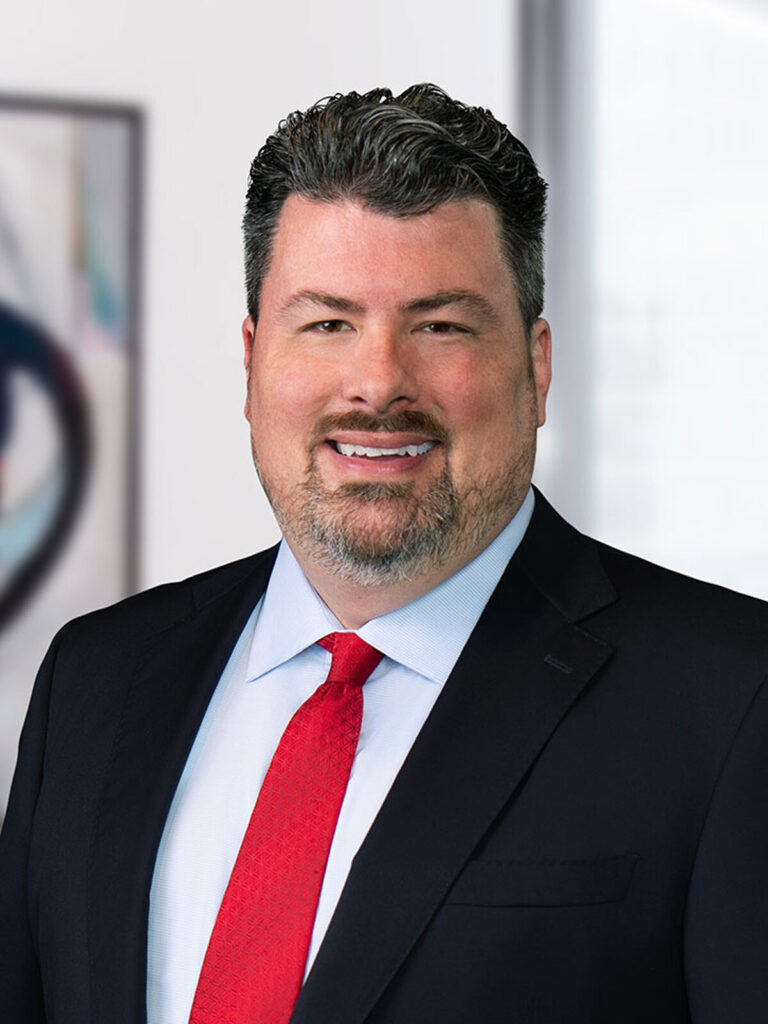
This is the man who sexually harassed the paralegal, mister pinson

💡 Explore Corporate Misconduct by Category

Corporations harm people every day — from wage theft to pollution. Learn more by exploring key areas of injustice.

Aleeia
Aleeia

I'm Aleeia, the creator of this website.

I have 6+ years of experience as an independent researcher covering corporate misconduct, sourced from legal documents, regulatory filings, and professional legal databases.

My background includes a Supply Chain Management degree from Michigan State University's Eli Broad College of Business, and years working inside the industries I now cover.

Every post on this site was either written or personally reviewed and edited by me before publication.

Learn more about my research standards and editorial process by visiting my About page

Articles: 1734
🏳️‍⚧️ trans rights are human rights 🏳️‍⚧️
Theme