TL;DR
Christopher Kirchner, the former CEO of logistics startup Slync, orchestrated a multi-million dollar fraud that fueled his personal extravagance while his company collapsed.
By fabricating bank statements and bypassing internal controls, he diverted nearly $25 million in investor monies to buy himself a private jet, luxury sports suites, and elite golf memberships.
His actions forced the company into liquidation, leaving his own employees without paychecks and wiping out investments sourced from the retirement funds of ordinary workers like teachers and non-profit organizations dedicated to serving under-privileged people.
Read on to discover how systemic failures in corporate governance allow predatory leadership to thrive at the expense of the public as well as pictures of what Chris Kirchner looks like and the watches he spent his ill gotten gains on.
The Predatory CEO
Christopher Kirchner turned a promising Dallas startup into a personal ATM.
While presenting himself as a visionary leader of the logistics software company Slync, he actively drained the firm’s lifeblood. Evidence confirms he siphoned millions of dollars into his personal accounts through a series of calculated, deceptive transfers. He used the stolen capital to bankroll a lifestyle defined by private jets, expensive wine, and high-stakes social climbing.
Kirchner manipulated the very systems designed to prevent such theft.
He exploited a loophole in Slync’s banking structure, keeping individual transfers just below the $100,000 threshold that would have required a second signature (or in other words, another person being looped into his scheme)
This allowed him to move money from joint-access accounts to his exclusive Chase account without oversight. Once the funds sat in his personal control, he funneled them into his own pockets, leaving the company’s operational needs unaddressed.

The Timeline of Deception
The following timeline illustrates the systematic dismantling of Slync through fraud and money laundering.
| Date | Event | Outcome |
| Early 2020 | Series A Funding | Slync raises $7.2 million; Kirchner begins 27 illicit transfers to his private account. |
| Late 2020 | Series B Funding | Kirchner raises nearly $50 million by fabricating revenue and omitting key customer data. |
| Early 2021 | The $20 Million Heist | Kirchner convinces staff to move $20 million to an “investment account” but keeps it for himself. |
| Spring 2022 | Operational Collapse | Slync misses payroll; Kirchner launches an unauthorized Series C round to hide the deficit. |
| May 2022 | Whistleblower Alert | An investor warns the CFO about financial misrepresentations. |
| July 2022 | Termination & Fall | The Board suspends Kirchner after discovering he forged payroll documents; the company liquidates. |
Profit-Maximization at the Expense of People
The Slync scandal represents a classic failure of neoliberal corporate culture, which prioritizes founder-centric power and rapid growth over ethical stability. Kirchner exploited the “move fast and break things” mantra to shield himself from scrutiny.
He lured investors in the Series B round with entirely fabricated bank statements and revenue figures. This incentive structure rewards the appearance of success over actual productivity, creating a vacuum where a CEO can lie with impunity as long as the capital keeps flowing.
The human cost of this misconduct is staggering.
When the money ran dry, Kirchner prioritized his private jet over the livelihoods of his staff and customers. Employees went entire weeks without pay! While Kirchner enjoyed a luxury suite at the Dallas Cowboys’ stadium, his very own team struggled to meet basic financial obligations.
This is the logical conclusion of a late-stage economic system that views workers as a secondary concern to the personal wealth of the executive capital owning class.
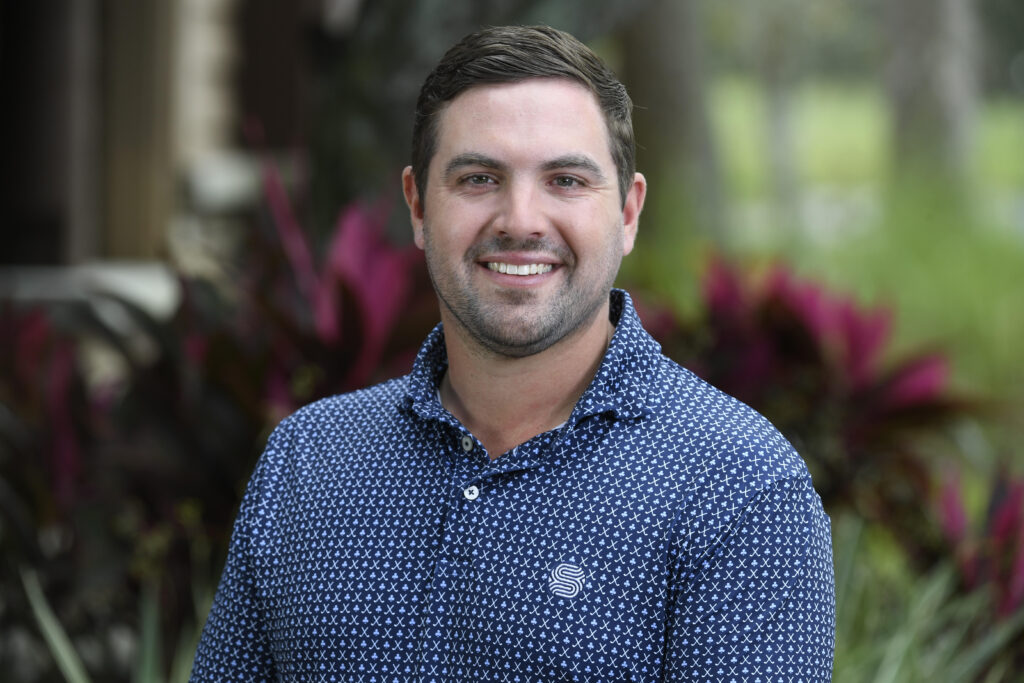
The Economic Fallout and Social Impact
The destruction of Slync eroded the financial security of the “working mom and pop” investors whose savings fuel institutional funds.
The financial capital Kirchner diverted often originated from university endowments and pension plans for teachers and retirees. Kirchner effectively stole from the retirement accounts of ordinary Americans when he burned through $71.7 million.
This case highlights a massive breakdown in corporate social responsibility. There was no social safety net to catch the falling company because the governance was entirely centralized in one predatory individual.
The liquidation of Slync serves as a grim reminder that when regulation is weak and internal controls are easily bypassed such as how they are today, the most vulnerable parties (the employees and the small-scale savers) always pay the highest price.

Corporate Accountability and the Path Forward
A jury eventually convicted Kirchner of four counts of wire fraud and seven counts of money laundering, resulting in a 20-year prison sentence.
However, the justice system only caught him after the damage was irreversible. Those victims lost their entire life savings, and no prison sentence for Kirchner can bring back that illegally stolen & spent money.
To prevent future financial predation, we the public must demand stronger regulatory oversight and mandatory joint-approval systems for all corporate financial movements, regardless of the amount. Whistleblower protections must be ironclad so that employees can report discrepancies without fear of retaliation.
Until our modern day American society shifts its focus from executive profit-maximization to community and worker stability, the cycle of corporate misconduct will continue to undermine everything.
Here is a Department of Justice press release on Christopher Kirchner: https://www.justice.gov/usao-ndtx/pr/slync-founder-sentenced-20-years-federal-prison-fraud