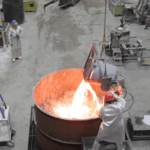
EPA finds years of Clean Air Act violations & mercury issues at an AES plant in Guayama.

Corporate Corruption Case Study: AES Puerto Rico, LP & Its Impact on Puerto Rico’s Air Quality and Public Health

Table of Contents

  1. Introduction: A Pattern of Broken Promises
  2. Inside the Allegations: Years of Environmental Non-Compliance
  3. Regulatory Capture & Loopholes: Gaps in Oversight?
  4. Profit-Maximization at All Costs: Operational Failures vs. Environmental Duty
  5. The Economic Fallout: Costs Beyond the Fine
  6. Environmental & Public Health Risks: The Specter of Mercury and Air Toxics
  7. Exploitation of Workers: (Information Not Detailed in Source)
  8. Community Impact: Local Lives Undermined by Pollution Risks
  9. The PR Machine: Corporate Spin Tactics (Information Not Detailed in Source)
  10. Wealth Disparity & Corporate Greed: A Multi-Million Dollar Settlement
  11. Global Parallels: A Pattern of Predation in Energy Sector
  12. Corporate Accountability Fails the Public: Settlement Without Admission
  13. Pathways for Reform & Consumer Advocacy
  14. Legal Minimalism: Doing Just Enough to Stay Plausibly Legal?
  15. How Capitalism Exploits Delay: The Strategic Use of Time
  16. The Language of Legitimacy: How Courts Frame Harm
  17. Monetizing Harm: When Victimization Becomes a Revenue Model (Not Directly Applicable Based on Source)
  18. Profiting from Complexity: When Obscurity Shields Misconduct
  19. This Is the System Working as Intended
  20. Conclusion
  21. Frivolous or Serious Lawsuit?

1. Introduction: A Pattern of Broken Promises

The air we breathe is not a commodity, yet for years, AES Puerto Rico, LP (AES-PR), operator of a major 454-megawatt coal-fired power plant in Guayama, Puerto Rico, allegedly failed to uphold fundamental environmental safeguards designed to protect it.

A Consent Agreement and Final Order (CAFO) reached with the U.S. Environmental Protection Agency (EPA) in August 2024 outlines a litany of alleged violations spanning several years, painting a picture not just of isolated mistakes, but of potential systemic failures in monitoring, reporting, and controlling hazardous air pollutants. Most damningly, the facility allegedly exceeded the legal limit for mercury emissions—a potent neurotoxin—on multiple occasions in 2022, following years of documented problems with the very systems designed to monitor this hazardous pollutant! This case is more than a dispute over technical compliance; it raises profound questions about corporate responsibility, the effectiveness of environmental regulations under neoliberal pressures prioritizing profit, and the real-world public health consequences when oversight falters. AES-PR settled the matter for $3.125 million without admitting the specific factual allegations, leaving the community to grapple with the legacy of potential harm and the adequacy of regulatory enforcement.

2. Inside the Allegations: Corporate Misconduct

The EPA’s findings, detailed in the CAFO resulting from a December 2021 inspection and subsequent investigation, allege a disturbing pattern of non-compliance by AES-PR at its Guayama facility. Central to the case are failures related to the Clean Air Act (CAA), particularly the National Emission Standards for Hazardous Air Pollutants from Coal- and Oil-fired Electric Utility Steam Generating Units, commonly known as the Mercury and Air Toxics Standards (MATS)

The EPA alleges AES-PR committed numerous violations, including:

  • Exceeding Mercury Emission Limits: The facility allegedly surpassed the MATS limit for mercury (Hg) emissions during two periods in March and April 2022. This followed documented issues, including forced outages and problems with the mercury control-injection system.
  • Failure of Monitoring Systems: Crucial monitoring equipment allegedly malfunctioned or was improperly operated for extended periods.
    • The Hg sorbent trap monitoring systems—used to demonstrate compliance—were reportedly non-functional for thousands of consecutive hours in 2021 (4,415 hours for Unit 1, 3,910 for Unit 2). Astonishingly, sorbent trap samples collected between 2018 and 2021 were allegedly not analyzed until late December 2021 or even into 2022.
    • The CO2 Continuous Emission Monitoring System (CEMS) allegedly failed certification tests in December 2020 and remained uncertified for a year until December 2021. Proper CO2 monitoring is essential for calculating emission rates relative to regulatory limits.
    • The flow rate monitor for Unit 1 also failed certification in December 2021.
  • Failure to Conduct Required Testing: AES-PR allegedly failed to conduct adequate quarterly performance tests for filterable particulate matter (PM) and hydrogen chloride (HCl) emissions between 2017 and 2021, as required by MATS when not using continuous PM monitors.
  • Widespread Reporting Failures: The company allegedly failed to submit numerous legally mandated reports to the EPA and/or the Puerto Rico Department of Natural and Environmental Resources (DNER) over several years. This includes:
    • MATS semi-annual compliance reports (multiple periods between 2018-2021)
    • Hg emissions data reports via the required electronic system (ECMPS) (Oct 2017 – Oct 2021)
    • Quarterly performance test reports via ECMPS (Jan 2018 – Oct 2021)
    • Quarterly CEMS excess emission reports required by its Prevention of Significant Deterioration (PSD) permit (Q2 2017 – Q3 2021)
    • The 2020 annual compliance certification to the EPA
    • Required coal sampling reports (Q1 2021)
    • A monthly sulfur content report (August 2021)
  • Record-Keeping Failures: AES-PR allegedly failed to maintain required records, including documentation of actions taken during equipment malfunctions, certain monitoring data, visual emission inspections, operational hours, and pressure drop readings for pollution control equipment. In its own 2021 Title V Annual Compliance Certification (TVACC), AES-PR reported being unable to locate certain required records
  • Title V Permit Deviations: The company self-reported numerous deviations from its Title V operating permit conditions in its 2021 TVACC. These included exceeding opacity limits (86 times), NOx limits (57 times), CO limits (25 times), and SO2 limits (51 times). Other reported deviations involved excessive startup/shutdown times, CEMS operational downtime below the required 95%, failure to perform required visual emission observations for various equipment (limestone dryer, coal handling, limestone handling, ash aggregate handling), failure to notify regulators of a change in the Responsible Official, and failure to conduct required coal sample analysis for 2021!

This extensive list, derived from the EPA’s findings and AES-PR’s own reporting, points towards significant operational and compliance challenges at the facility over an extended period.

3. Regulatory Capture & Loopholes: Gaps in Oversight?

While the CAFO details AES-PR’s alleged failures, it also implicitly raises questions about the effectiveness and timeliness of regulatory oversight. The document states the EPA conducted an on-site inspection in December 2021. However, many of the alleged reporting failures, monitoring issues, and testing deficiencies dated back several years prior, some as far back as 2017 or 2018.

Systemic Commentary: This extended timeframe before documented enforcement action raises concerns often associated with critiques of neoliberal governance models: Are regulatory agencies adequately funded and staffed to conduct thorough oversight consistently?

Does the complexity of regulations like MATS, combined with sophisticated corporate structures, create opportunities for compliance issues to persist undetected? The reliance on self-reporting, while standard, proved insufficient here, as AES-PR allegedly failed to submit numerous reports and certifications over multiple years.

Furthermore, the facility operated under a Title V permit that expired in November 2016; while a renewal application was submitted in 2015 and deemed complete, granting a “permit shield,” the renewed permit had still not been issued by DNER as of the CAFO date in August 2024. Such administrative delays, common in strained regulatory systems, can create uncertainty and potentially weaken the perceived immediacy of compliance obligations.

While the permit shield legally allows continued operation, the lack of a finalized, updated permit over nearly eight years represents a potential gap in ensuring the most current requirements are formally codified and enforced. The system appears to have relied heavily on the eventual EPA inspection to uncover the breadth of the alleged non-compliance.

4. Profit-Maximization at All Costs: Operational Failures vs. Environmental Duty

The CAFO details operational failures—malfunctioning monitors, missed tests, unsubmitted reports—but doesn’t explicitly state the motivation behind them. However, the pattern of alleged deficiencies, particularly the long-term failure to maintain and certify crucial monitoring equipment like the Hg sorbent traps and CO2 CEMS, suggests a potential breakdown in prioritizing environmental compliance obligations alongside power generation.

Systemic Commentary: In a neoliberal capitalist framework, corporations face immense pressure to maximize profits and shareholder value.

Expenditures on environmental controls, monitoring systems, testing, and dedicated compliance staff represent costs that don’t directly generate revenue. When these systems fail, prompt and thorough repair or replacement requires resource allocation. The alleged multi-year persistence of issues at AES-PR—like using unanalyzed mercury samples for years or operating with uncertified CO2 monitors for a full year—could be interpreted through this lens.

Was the failure to address these issues promptly a result of resource constraints, mismanagement, or a calculated risk where the potential cost of non-compliance (fines) was implicitly weighed against the immediate costs of robust compliance? The document notes AES-PR sells its electricity to LUMA Energy, Puerto Rico’s grid operator, placing it within a critical infrastructure role where operational uptime is paramount.

The CAFO even mentions AES-PR was asked to provide documentation from LUMA requesting postponement of maintenance shutdowns, highlighting the tension between continuous operation (and revenue generation) and necessary maintenance for environmental systems. While the CAFO doesn’t prove intent, the outcome—years of alleged non-compliance—aligns with scenarios where operational demands and cost considerations potentially overshadowed rigorous adherence to environmental protection protocols.

5. The Economic Fallout: Costs Beyond the Fine

The most direct economic consequence outlined in the CAFO is the $3.125 million civil penalty AES-PR agreed to pay. However, the true economic fallout of such alleged long-term non-compliance often extends far beyond the regulatory fine.

Systemic Commentary: While the CAFO doesn’t detail these broader costs, potential economic impacts stemming from the types of violations alleged could include:

  • Public Health Costs: Increased emissions of hazardous air pollutants like mercury and particulate matter can lead to significant public health expenditures related to respiratory illnesses, neurological development issues (especially from mercury exposure), and other health problems. These costs are typically borne by individuals, healthcare systems, and society at large, not the polluting entity.
  • Environmental Remediation Costs: Although not specified here, significant environmental violations can sometimes necessitate costly cleanup efforts, potentially funded by taxpayers if the company cannot or will not cover the full cost.
  • Loss of Public Trust: Repeated environmental violations can erode community trust in a company and potentially impact its social license to operate, leading to reputational damage that has indirect economic consequences.
  • Increased Regulatory Scrutiny: Companies with a history of non-compliance often face more intensive (and thus costly) oversight in the future. AES-PR, for instance, is now required to post monitoring plans and emissions data publicly on its website as part of the settlement!
  • Investment in Compliance: Beyond the fine, AES-PR incurred costs related to the investigation, legal fees, and implementing corrective actions, such as installing new real-time mercury process monitors (though compliance still relies on sorbent traps).

The $3.125 million penalty, while substantial, may not fully encompass the broader societal and environmental costs associated with the alleged years of non-compliance. This highlights a common critique within neoliberal systems: penalties are often seen as merely a “cost of doing business” rather than a deterrent sufficient to ensure proactive compliance and cover the full externalized costs of environmental harm.

6. Environmental & Public Health Risks: The Specter of Mercury and Air Toxics

The violations by AES-PR carry significant potential environmental and public health risks, primarily stemming from the inadequate control and monitoring of hazardous air pollutants (HAPs) regulated under the MATS rule.

  • Mercury (Hg): The EPA alleges AES-PR exceeded Hg emission limits and failed to properly operate its Hg monitoring systems for extended periods. Mercury is a potent neurotoxin. Once released into the air, it can deposit into water bodies, convert to methylmercury, and accumulate in fish. Human exposure, primarily through fish consumption, can harm the brain, heart, kidneys, lungs, and immune system. Developing fetuses and young children are particularly vulnerable to the adverse neurological effects of mercury exposure. The alleged failure to monitor Hg emissions accurately for years, coupled with documented exceedances, raises serious concerns about the potential cumulative mercury exposure for nearby communities and the broader environment in Puerto Rico.
  • Particulate Matter (PM) and Hydrogen Chloride (HCl): The alleged failure to conduct adequate quarterly performance tests for PM and HCl means their emission levels were not properly verified over potentially long periods. Filterable PM can penetrate deep into the lungs and bloodstream, causing respiratory and cardiovascular problems, including asthma attacks, heart attacks, and premature death. HCl is a hazardous air pollutant that can irritate the respiratory system, eyes, and skin.
  • Other Pollutants (NOx, SO2, CO, Opacity): The company’s self-reported deviations for exceeding limits on Nitrogen Oxides (NOx), Sulfur Dioxide (SO2), Carbon Monoxide (CO), and opacity (an indicator of particulate emissions) further contribute to air quality degradation. NOx and SO2 are precursors to smog and acid rain, and both can cause respiratory problems. CO is a poisonous gas.

The alleged multi-year failures in monitoring, testing, and reporting, combined with documented exceedances of emission limits, suggest a significant potential risk to the air quality in the Guayama region and the health of its residents. While the CAFO focuses on regulatory violations rather than quantified health impacts, the nature of the pollutants involved underscores the critical importance of stringent compliance with standards like MATS.

7. Exploitation of Workers

The provided Consent Agreement and Final Order (CAFO) between the EPA and AES Puerto Rico focuses specifically on environmental regulatory compliance under the Clean Air Act. It details alleged violations related to emissions monitoring, testing, reporting, and permit conditions.

The document does not contain specific information or allegations regarding worker exploitation, such as wage theft, workplace injuries beyond general safety considerations implicit in industrial operations, labor misclassification, or specific unsafe working conditions unrelated to the environmental compliance issues cited. There is a mention of requesting a compliance matrix from a former environmental health and safety (EHS) manager, but no findings related to worker safety or labor practices are presented.

Systemic Commentary: While this specific legal document is silent on worker issues, it’s crucial to recognize that industries involving large-scale industrial processes, like coal-fired power generation, often face scrutiny regarding worker safety and labor practices within the broader context of neoliberal capitalism. Pressures to cut costs can sometimes manifest in reduced staffing for maintenance, potential neglect of safety protocols unrelated to direct environmental reporting, or resistance to unionization efforts that advocate for better working conditions. However, based solely on the provided CAFO, no specific claims about worker exploitation at AES-PR can be substantiated.

8. Community Impact: Local Lives Undermined by Pollution Risks

The AES-PR power plant is located in the Jobos Ward of Guayama, Puerto Rico. While the CAFO does not include direct testimonies from residents or specific studies on community health impacts, the nature of the alleged violations points to potential significant consequences for the local population.

The alleged release of excess hazardous air pollutants, particularly mercury, poses a direct risk to the health and environment of the surrounding community. Mercury deposition can contaminate local ecosystems and food sources. Increased levels of PM, NOx, SO2, and CO contribute to poor air quality, potentially exacerbating respiratory conditions like asthma, particularly in vulnerable populations such as children and the elderly. The alleged failure to conduct required visible emissions checks on equipment like the limestone dryer and the numerous self-reported opacity exceedances suggest potential periods of visible pollution impacting the local area.

Systemic Commentary: Environmental justice principles highlight that industrial pollution burdens often fall disproportionately on low-income communities and communities of color. Under neoliberal frameworks that prioritize economic development, often through large industrial projects, the environmental and health costs borne by local residents can be overlooked or undervalued. The alleged multi-year non-compliance at the Guayama facility suggests the community may have been exposed to elevated pollution risks for a prolonged period without the full extent of the monitoring and reporting failures being publicly known until the EPA’s intervention. The settlement requires AES-PR to post monitoring plans and emissions data online, a step towards transparency, but it comes after years of alleged opacity regarding the plant’s compliance status. The long-term health and environmental consequences for the Guayama community remain a critical, though unquantified, aspect of this case.

9. The PR Machine: Corporate Spin Tactics

The provided Consent Agreement and Final Order (CAFO) focuses on the factual findings of the EPA’s investigation, the alleged violations of environmental regulations, and the terms of the settlement between the EPA and AES Puerto Rico.

The document does not contain specific information or allegations regarding corporate spin tactics used by AES-PR. It does not mention details about the company’s public statements, lobbying efforts, specific reputation management strategies like greenwashing, or actions taken regarding internal dissent related to these compliance issues. The focus is purely on the regulatory violations and the enforcement action.

Systemic Commentary: It is common practice for corporations facing significant environmental or regulatory scrutiny to engage in public relations efforts to manage their image and mitigate reputational damage. Tactics can range from issuing press releases emphasizing commitment to environmental responsibility, highlighting positive community initiatives, challenging the severity or validity of allegations, or engaging in lobbying to influence regulatory frameworks. Within the logic of late-stage capitalism, maintaining a positive public image and managing regulatory relationships are often considered essential business functions, sometimes divorced from the operational realities of compliance. However, the provided legal document offers no specific evidence regarding AES-PR’s actions in this domain concerning the matters settled in the CAFO.

10. Wealth Disparity & Corporate Greed: A Multi-Million Dollar Settlement

The CAFO mandates AES Puerto Rico, LP to pay a civil penalty of $3.125 million. While a significant sum, its true weight must be contextualized within the broader dynamics of corporate finance and wealth concentration. AES-PR operates a 454 MW power plant, a major energy producer for Puerto Rico, selling electricity to the grid operator LUMA Energy!

Systemic Commentary: A $3.125 million penalty for a company operating critical energy infrastructure represents a cost, but does it adequately reflect the potential profits generated during the years of alleged non-compliance (spanning roughly 2017-2022 for various issues)? Does it serve as a sufficient deterrent against future violations, or is it viewed internally as an acceptable “cost of doing business”? Critiques of neoliberal capitalism often point to the immense gap between corporate revenues/executive compensation and the penalties levied for regulatory violations, particularly environmental ones where harm is externalized onto communities and ecosystems. The structure of corporate entities often shields executives from personal liability for such failures. While the CAFO ensures a penalty is paid, it doesn’t inherently address the underlying incentive structures that might prioritize profit over rigorous, proactive compliance, especially when robust monitoring and maintenance carry significant costs. The penalty amount, viewed against the scale of operations and the multi-year duration of the alleged violations, can be seen as reflecting a system where financial penalties may not be proportionate to the potential harm or the economic benefits derived from delayed compliance.

11. Global Parallels: A Pattern of Predation in Energy Sector

The specific allegations against AES Puerto Rico—exceeding emission limits (especially mercury), failure of monitoring systems, inadequate testing, and chronic reporting failures—are unfortunately not unique within the global fossil fuel energy sector, particularly concerning coal-fired power plants.

Systemic Commentary: The challenges highlighted in this case mirror patterns seen worldwide, often exacerbated under neoliberal policies that favor deregulation and rely heavily on corporate self-monitoring and reporting:

  • Mercury Emissions: Coal combustion is a primary source of anthropogenic mercury emissions globally. Many countries grapple with enforcing strict mercury controls on aging coal fleets, facing industry resistance due to cost implications.
  • Monitoring & Reporting Deficiencies: Failures in Continuous Emission Monitoring Systems (CEMS) and lapses in reporting are common issues globally, sometimes stemming from technical challenges, lack of trained personnel, or deliberate efforts to obscure non-compliance. The complexity of environmental regulations can be exploited, intentionally or unintentionally.
  • Regulatory Lag: Environmental agencies worldwide often struggle with limited resources, leading to delays in permit renewals (as seen with AES-PR’s Title V permit), inspections, and enforcement actions. This creates windows of opportunity for non-compliance to persist.
  • Settlements vs. Admission: Settlements without admission of wrongdoing are a frequent outcome in environmental enforcement cases globally. While efficient for regulators, they allow companies to avoid formally acknowledging the alleged harm, potentially weakening the deterrent effect and public accountability.

The AES-PR case can be viewed as a microcosm of the broader tensions inherent in regulating heavy industry under late-stage capitalism: the constant push for profit versus the societal need for environmental protection, the challenges of effective oversight in complex technical domains, and the often-limited accountability mechanisms when violations occur. It underscores that the pressures leading to environmental non-compliance are often systemic, not merely isolated incidents.

12. Corporate Accountability Fails the Public: Settlement Without Admission

A striking feature of the Consent Agreement is that while AES-PR agrees to pay a $3.125 million penalty and undertake corrective actions (like installing new monitors and improving public reporting)[cite: 297, 298, 299, 308], it explicitly “neither admits nor denies the factual allegations and alleged violations stated… in sections D and E of this Consent Agreement”.

Systemic Commentary: This outcome exemplifies a common critique of corporate accountability mechanisms, particularly within the framework of negotiated settlements favored under neoliberal legal and regulatory approaches.

  • Lack of Full Admission: By not admitting to the EPA’s detailed findings of fact and conclusions of law, AES-PR avoids formally acknowledging the specific failures alleged, including exceeding mercury limits or operating monitors improperly for years. This limits the precedential value and public acknowledgment of the harm or risk created.
  • Financial Settlement as Resolution: The $3.125 million penalty resolves the company’s liability to the U.S. government for federal civil penalties for these specific alleged violations. While securing a penalty and corrective actions is a positive outcome for the regulator, critics argue such settlements can function as a way for corporations to “buy their way out” of deeper accountability without fundamentally changing corporate culture or admitting the full scope of misconduct.
  • No Mention of Individual Liability: The CAFO addresses the liability of the corporate entity, AES Puerto Rico, LP. There is no mention of individual liability for managers or executives responsible for the oversight and operational decisions during the period of alleged non-compliance. This focus on corporate rather than individual accountability is typical but often criticized for failing to deter future misconduct by decision-makers.

While the settlement achieves a measure of compliance and imposes a financial cost, the lack of admitted wrongdoing allows the narrative of “isolated issues” or “disputed claims” to persist, potentially undermining public confidence that true accountability for the alleged multi-year environmental lapses has been achieved. It reflects a system often geared towards efficient resolution rather than a full public reckoning for corporate failures.

13. Pathways for Reform & Consumer Advocacy

The AES Puerto Rico case highlights several areas where reforms could potentially prevent similar occurrences and strengthen public protection, aligning with broader critiques of regulatory systems under neoliberalism.

  • Strengthening Regulatory Oversight & Enforcement: The multi-year lag in addressing some alleged issues suggests a need for more frequent inspections, potentially augmented by remote monitoring technologies, and stricter enforcement deadlines. Adequate funding and staffing for agencies like the EPA and local bodies like DNER are crucial. Timelier processing of permit renewals is also essential!
  • Enhancing Corporate Transparency: The settlement mandates AES-PR post its monitoring plan and quarterly emissions data online. Mandating real-time, publicly accessible emissions data for all major industrial sources could significantly improve transparency and allow for independent scrutiny by researchers and community groups.
  • Mandatory Third-Party Audits: Requiring regular, independent audits of compliance systems, beyond self-reporting and periodic regulatory inspections, could provide a more robust check on corporate environmental performance.
  • Increased Penalties & Individual Accountability: Penalties need to be substantial enough to serve as a genuine deterrent, potentially linked to revenue or profit margins, rather than just a manageable cost. Exploring mechanisms for greater individual accountability for executives overseeing compliance could shift internal priorities.
  • Empowering Whistleblowers: Strong legal and financial protections for employees who report environmental non-compliance internally or externally are vital for uncovering issues regulators might miss.
  • Community & Consumer Action: Informed communities can exert significant pressure. Supporting local environmental justice groups, demanding public meetings with corporate and regulatory officials, and advocating for stricter local ordinances can drive change. Consumers, particularly in energy markets with choice, can favor providers with stronger environmental records, although options may be limited in regions like Puerto Rico served by a single primary grid operator!

Systemic Commentary: These reforms push back against neoliberal tendencies towards deregulation and corporate self-governance. They emphasize the need for a strong, proactive regulatory state, empowered public scrutiny, and accountability structures that prioritize public health and environmental integrity over purely financial metrics.


14. Legal Minimalism: Doing Just Enough to Stay Plausibly Legal?

The pattern of misbehavior by AES-PR, particularly the reporting failures and monitoring deficiencies spanning several years, can be viewed through the lens of “legal minimalism”. While the company ultimately faced enforcement, the alleged long-term lapses suggest an approach where perhaps the form of compliance (having monitoring systems installed) was prioritized over the substance (ensuring those systems were continuously functional, calibrated, certified, and their data promptly analyzed and reported)!

Systemic Commentary: Neoliberal capitalism often rewards companies that navigate the complexities of regulation by meeting the bare minimum requirements to avoid overt illegality, rather than embracing the spirit and intent of environmental protection laws. Compliance can become a box-ticking exercise, a cost center to be minimized. The alleged failure to analyze mercury sorbent traps for years, or to recertify the CO2 monitor promptly after a failed test, could be seen as examples where immediate operational convenience or cost avoidance took precedence over the rigorous, continuous validation demanded by the regulations’ intent – which is to provide accurate, timely data on hazardous emissions. Treating compliance as a performance to satisfy regulators during inspections, rather than an ongoing ethical and operational baseline, is a hallmark risk in systems prioritizing shareholder value above other considerations. The delayed discovery of the extent of these alleged issues further highlights how minimalist approaches can persist until active regulatory intervention occurs.

15. How Capitalism Exploits Delay: The Strategic Use of Time

The timeline embedded within the AES-PR CAFO illustrates how delay—whether intentional or consequential—can function strategically within capitalist systems. The alleged failure to analyze mercury sorbent trap samples collected between 2018 and 2021 until late 2021/2022 is a blatant example. For years, the actual mercury emission data was allegedly unknown or unverified, allowing operations to continue without potentially triggering immediate alarms or corrective actions based on that data.

Systemic Commentary: In economic systems prioritizing continuous production and profit flow, delays in environmental compliance can be implicitly or explicitly beneficial for a corporation:

  • Deferred Costs: Delaying repairs, certifications, or analyses defers the associated expenses!
  • Continued Operation: Without confirmed data showing non-compliance, operations can continue uninterrupted, maintaining revenue streams. Even known issues, like the failed CO2 monitor certification, didn’t halt operations; compliance demonstration was simply compromised.
  • Regulatory Lag: Relying on the often slow pace of regulatory inspections and enforcement (issues dating back years addressed in a 2021 inspection and 2024 settlement) provides breathing room.
  • Administrative Delays: The nearly eight-year delay in DNER issuing the renewed Title V permit, while providing a legal shield, also represents a form of systemic delay that reduces pressure for timely updates and accountability under the most current permit conditions.

Capitalism often rewards speed in production and sales, but it can also inadvertently incentivize slowness in addressing costly externalities like environmental compliance. Time, in this context, becomes a resource that can be exploited to postpone costs and maintain operational momentum, shifting the burden of risk onto the environment and the public.

16. The Language of Legitimacy: How Courts Frame Harm

The CAFO, while detailing significant alleged environmental violations, employs the neutral, technical language typical of legal and regulatory documents. Terms like “failed to comply,” “failed to conduct adequate testing,” “failed to submit reports,” “deviations,” and “exceedances” are used repeatedly. While accurate, this language can subtly frame the issues as procedural or technical shortcomings rather than actions with potentially severe public health and environmental consequences.

Systemic Commentary: Neoliberal systems rely heavily on technocratic expertise and bureaucratic language to manage complex societal issues, including environmental regulation. This specialized language, while necessary for legal precision, can also serve to neutralize the ethical and human dimensions of corporate misconduct. Describing years of failure to monitor mercury emissions accurately as a failure to “operate the Hg sorbent trap monitoring system…in a manner consistent with the requirements” (as pulled from the legal source attached down below) is factually correct but doesn’t immediately convey the potential risk to human health from mercury exposure.

Similarly, settling the case without an admission of the factual allegations allows the “harm” to remain contested, framed within the legitimacy of legal negotiation rather than acknowledged environmental damage[cite: 292]. This reliance on sanitized, procedural language is a key way that systems prioritizing economic activity can obscure or minimize the real-world impacts of corporate actions that fall short of societal expectations or legal requirements.

17. Monetizing Harm: When Victimization Becomes a Revenue Model

The provided CAFO does not suggest that AES Puerto Rico directly profited from the harm itself (e.g., charging fees for pollution or benefiting financially from the specific environmental damage alleged). The core business model is electricity generation and sale!

Systemic Commentary: While not applicable in the direct sense here, this theme resonates in other areas of late-stage capitalism (e.g., predatory lending, for-profit prisons, pharmaceutical price gouging) where systems are designed to extract profit directly from vulnerability, crisis, or harmful situations. In the AES-PR case, the potential financial benefit was indirect: potentially derived from avoiding or delaying the costs associated with robust environmental compliance (maintenance, testing, timely reporting, potentially investing in better controls) while continuing to generate revenue from electricity sale. The “monetization” occurred through cost avoidance rather than direct revenue generation from the alleged non-compliance itself.

18. Profiting from Complexity: When Obscurity Shields Misconduct

Environmental regulations for large industrial facilities like the AES-PR power plant are inherently complex, involving numerous pollutants, multiple monitoring techniques (CEMS, sorbent traps, periodic stack tests), intricate calculation methods, and detailed reporting requirements across different regulatory programs (MATS, PSD, Title V). This complexity itself can inadvertently shield misconduct.

Systemic Commentary: In late-stage capitalist systems, complexity is often a feature, not a bug. For corporations, navigating complex regulatory landscapes requires significant resources and expertise. This complexity can:

  • Obscure Non-Compliance: Simple oversight failures can be easily lost in the maze of requirements. Were the multi-year reporting failures at AES-PR a deliberate attempt to hide issues, or a result of systems overwhelmed by complexity? The CAFO doesn’t specify intent, but the outcome was reduced transparency.
  • Create Gray Areas: Interpreting complex technical requirements can lead to disputes between regulators and industry (though the violations cited here seem fairly clear-cut failures to meet established requirements).
  • Increase Reliance on Self-Reporting: Regulators often lack the resources to constantly verify compliance across numerous complex parameters, increasing reliance on corporate self-reporting, which allegedly failed significantly in this case!
  • Diffuse Responsibility: In large organizations, responsibility for different aspects of compliance can be spread across various departments, making it harder to pinpoint accountability when failures occur.

While complexity is necessary to regulate sophisticated industrial processes, it simultaneously creates opportunities for errors, omissions, or even intentional obfuscation to go undetected for extended periods, benefiting companies that may prioritize operational ease or cost-cutting over meticulous adherence to every rule. The AES-PR case, with its litany of failures across different monitoring systems and reporting requirements, illustrates how easily compliance can break down within such complex frameworks.


19. This Is the System Working as Intended

Viewing the AES Puerto Rico case through a critical systemic lens, one could argue that this is not necessarily a case of the system failing, but perhaps of it working as intended under the logic of neoliberal capitalism.

Systemic Commentary: This perspective suggests:

  • Profit Primacy is Structural: The system is designed to prioritize capital accumulation and profit generation. Environmental regulations, while existing, are often treated as constraints to be managed or minimized, rather than fundamental operational principles. The alleged multi-year cost avoidance at AES-PR (delayed analysis, deferred certification, missed reports aligns with this profit-driven logic.
  • Externalized Costs are Expected: Pollution and its associated health impacts are treated as “externalities”—costs pushed onto society and the environment, rather than fully borne by the corporation. The $3.125 million fine represents a partial internalization of these costs, but likely doesn’t cover the full societal burden!
  • Regulatory Capture/Weakness is Functional: A regulatory environment that is under-resourced, reliant on self-reporting, slow to act, and amenable to negotiated settlements without admission of guilt serves the interests of maintaining business continuity with minimal disruption. The long delays before enforcement and the nature of the settlement fit this pattern.
  • Accountability is Limited: The focus on corporate fines rather than individual liability, and settlements allowing non-admission of facts, ensures that the fundamental structures and decision-making processes that led to the violations remain largely unchallenged.

From this critical viewpoint, the AES-PR case is not an aberration but a predictable outcome of a system that structurally favors corporate interests and operational continuity, even when it results in significant environmental risks and regulatory non-compliance. The enforcement action itself becomes part of the system’s maintenance, addressing the most visible issues without fundamentally altering the underlying power dynamics or incentive structures.


20. Conclusion

The Consent Agreement between the EPA and AES Puerto Rico paints a concerning picture of alleged environmental negligence at a major power provider for the island. For years, the systems meant to protect the public from hazardous air pollutants like mercury were allegedly compromised through neglect, malfunction, and a profound failure to adhere to basic monitoring, testing, and reporting requirements mandated by law. The documented exceedances of mercury limits are particularly alarming given the known neurotoxicity of this pollutant!

This case transcends mere technical violations. It embodies a potential systemic failure where corporate responsibility lagged, and regulatory oversight seemingly struggled to keep pace, allowing risks to persist potentially undetected by the public for years. The $3.125 million settlement, reached without AES-PR admitting to the EPA’s factual finding, raises uncomfortable questions about the adequacy of accountability. Does such a resolution truly deter future misconduct or merely quantify the cost of getting caught?

Ultimately, this legal battle lays bare the friction in modern economies: the tension between the drive for profit and the imperative to protect public health and the environment. It serves as an important reminder that environmental laws are only as strong as their enforcement and the corporate commitment to upholding them.

For the community of Guayama and the people of Puerto Rico, who rely on AES-PR for power but also deserve clean air, this case underscores the ongoing need for vigilance, transparency, and robust mechanisms to hold corporations accountable when they fall short of their environmental duties. The human and societal cost of prioritizing production over protection remains the critical, unresolved dimension of this story.

21. Frivolous or Serious Lawsuit?

The enforcement action brought by the EPA against AES Puerto Rico, culminating in the Consent Agreement and Final Order, appears to be a serious and legitimate legal grievance based on the detailed findings presented in the document!

The EPA outlines numerous, specific alleged violations of the Clean Air Act and associated regulations (MATS, PSD, Title V), as well as conditions in AES-PR’s operating permits. These are not vague accusations; they include concrete failures such as:

  • Documented exceedances of mercury emission limits.
  • Extensive periods of non-operation or failure of crucial monitoring equipment (Hg traps, CO2 CEMS, flow monitors)
  • Failure to conduct required emissions tests.
  • A multi-year pattern of failing to submit mandatory reports and certifications to regulatory agencies.
  • Failure to maintain required operational and compliance records!
  • Numerous self-reported deviations from permit limits and conditions in the company’s own 2021 compliance certification.

These allegations are supported by references to specific regulatory clauses and findings from an EPA inspection and document review. The fact that AES-PR agreed to a substantial $3.125 million penalty and specific corrective actions, including enhanced monitoring and public reporting, further indicates the seriousness of the matter, even though the company did not admit to the factual allegations as part of the settlement. This case clearly reflects a meaningful legal challenge to documented environmental compliance failures with potential public health implications.

💡 Explore Corporate Misconduct by Category

Corporations harm people every day — from wage theft to pollution. Learn more by exploring key areas of injustice.

You can read about this settlement between the EPA and this corporation on the EPA’s website: https://www.epa.gov/newsreleases/epa-settlement-aes-requires-more-monitoring-and-payment-penalty-clean-air-act


💡 Explore Corporate Misconduct by Category

Corporations harm people every day — from wage theft to pollution. Learn more by exploring key areas of injustice.

Aleeia
Aleeia

I'm the creator this website. I have 6+ years of experience as an independent researcher studying corporatocracy and its detrimental effects on every single aspect of society.

For more information, please see my About page.

All posts published by this profile were either personally written by me, or I actively edited / reviewed them before publishing. Thank you for your attention to this matter.

Articles: 1698