TL;DR
- Bongards’ Creameries, a dairy cooperative in Perham, Minnesota, went without certifying the safety procedures for its ammonia refrigeration system since March 2022, a violation federal inspectors didn’t catch until September 10, 2024.
- The same inspection found a required hazard warning placard missing from a refrigeration engine room door, and safety valve tags with unclear, multiple-punched installation dates.
- All three violations were fixed only after EPA enforcement was already underway, with corrections submitted April 22, 2026, roughly 19 months after the inspection.
- EPA settled the entire case for $2,700, through a fast-track agreement in which the company neither admits nor denies what it was accused of.
The Paper Trail: What EPA Found
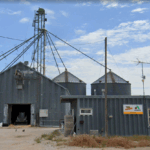
On September 10, 2024, an EPA inspector walked into Bongards’ Creameries in Perham, Minnesota, to check the facility’s compliance with federal rules designed to prevent chemical accidents. What they found wasn’t a single slip-up.
“Respondent had failed to certify for calendar year 2023, 23 operating procedures for its ammonia refrigeration systems… The operating procedures had not been certified since March 2022.”
- This is the core finding: the written procedures meant to keep the ammonia system running safely had not been re-verified as accurate for close to two and a half years.
- The rule broken, 40 C.F.R. § 68.69(c), exists specifically so that operating procedures for hazardous chemical processes don’t quietly go stale.
“At the time of the September 10, 2024 inspection, Respondent did not have an NFPA diamond posted on the entrance to engine room 2.”
- The NFPA diamond is the standardized hazard placard firefighters and first responders use to know what they’re dealing with before they open a door.
- Its absence means anyone responding to an emergency at engine room 2 would have had no posted warning of what was inside.
“At the time of the September 10, 2024 inspection, Respondent had PRV tags with multiples dates punched for the installation date and expiration date.”
- Pressure relief valves are a core safety component on ammonia systems; their tags exist to prove exactly when they were installed and when they need replacing.
- Multiple punched dates on the same tag means that record could no longer be trusted.
“Respondent waives its right to contest the specific factual allegations contained herein, and neither admits nor denies these specific factual allegations.”
- This is the standard release language in an EPA Expedited Settlement Agreement: the company pays and corrects, but never legally admits fault.
- It closes the case without creating an admission that could be used against the company in any other legal context.
Societal Impact: What This Rule Is Actually For
Ammonia refrigeration systems are regulated under Section 112(r) of the Clean Air Act precisely because an uncontrolled release of ammonia can cause serious injury to workers and anyone nearby. No release occurred here. What the record shows is that the safeguards meant to prevent one had lapsed.
- For roughly two and a half years, the written procedures meant to keep the ammonia system running safely, per the violation record, were not certified as current or accurate.
- The hazard placard that tells first responders what’s behind a machinery room door, required specifically for emergencies, was documented as absent at the time of inspection.
The Settlement Isn’t Justice
EPA closed three violations of a federal chemical-safety law for $2,700, with no admission of wrongdoing attached.
- Calculated from source figures: using March 2022 (last certification) to the September 10, 2024 inspection as the approximate length of the lapse, roughly 925 days, the $2,700 penalty works out to under $3 for every day the ammonia system ran without certified safety procedures.
- The company was allowed to resolve the matter while officially neither admitting nor denying the violations, a standard feature of EPA’s expedited settlement process that closes the case without creating a legal admission usable against the company anywhere else.
- The settlement resolves only federal civil penalty liability for these specific facts. EPA explicitly keeps the right to pursue injunctive relief or criminal sanctions separately, and every correction on record happened only after enforcement was already underway, not before.
This Is the System Working as Intended
Nothing about this outcome was a breakdown. It’s what the enforcement mechanism is built to produce.
- This case was resolved through an Expedited Settlement Agreement, a mechanism that lets EPA and a company “simultaneously commence and concluded” an enforcement action without ever filing a formal complaint or holding a hearing, under 40 C.F.R. §§ 22.13(b) and 22.18(b)(2)-(3), cited directly in the agreement.
- By signing, Bongards’ waived its right to a hearing, waived any right to contest the specific allegations, and waived its right to appeal, in exchange for a fixed, negotiated penalty far below what a litigated Clean Air Act case could produce.
- The violations came to light only because an inspector happened to show up on September 10, 2024. A nearly two-and-a-half-year lapse in certified safety procedures was caught by a scheduled visit, not by any internal system designed to flag it.
What a Legitimate Fix Looks Like
This case shows how core chemical-safety paperwork can lapse for years and still end in a token fine once caught. Closing that gap requires action on three tracks.
Regulatory Track
- EPA should require facilities regulated under Section 112(r) to submit annual certification confirmations directly to the agency, rather than relying on discovery during infrequent, periodic inspections.
- Penalties for multi-year certification lapses should scale with how long the lapse ran, so a two-and-a-half-year gap costs meaningfully more than a two-month one.
- Facilities cited for missing hazard placards should face a mandatory, unannounced follow-up inspection, since passive safety signage can otherwise go unchecked between scheduled visits.
Legislative Track
- As a general industry standard, not a finding from this case, lawmakers or EPA could extend third-party compliance auditing requirements, already used for larger Risk Management Program facilities, down to smaller Section 112(r) sites like this one.
- This case documents no specific pending bill. The functional legislative need it points to is public disclosure of certification lapses, so communities near a regulated facility know when its chemical-safety paperwork has gone stale.
Corporate Governance Track
- The facility already has a designated EHS Manager, who signed this settlement. Certification tracking for hazardous processes should be an explicit, recurring item that manager reports upward on, not something that lapses for years without escalation.
- Internal compliance calendars should flag certification and placard deadlines automatically, rather than relying on an outside inspector to surface a multi-year gap, as happened here.
- Since every correction on record was submitted only after EPA enforcement began, the company’s internal process should shift to fixing these items on a standing internal schedule, not reactively after regulators show up.
What Now?
This case sits with one regulator, and the paper trail is public record.
- Watch: EPA Region 5’s Enforcement and Compliance Assurance Division, the office that issued this settlement and retains authority to pursue any further Clean Air Act violations at this facility.
- Anyone near Perham, Minnesota, or any other ammonia-refrigeration facility, can look up whether it’s a registered Risk Management Program site through EPA’s public database, since systems above a certain size are federally regulated for exactly this kind of accident risk.
- Workers at ammonia-refrigeration facilities anywhere are entitled to see current, certified operating procedures and hazard placards. Both are legally required under 40 C.F.R. Part 68, and both were the subject of the violations documented here.
The source document for this investigation is attached below.
Explore by category
Antitrust
Monopolies and anti-competition tactics used to crush rivals.
View Cases →Product Safety Violations
When companies sell dangerous goods, consumers pay the price.
View Cases →Environmental Violations
Pollution, ecological collapse, and unchecked greed.
View Cases →Labor Exploitation
Wage theft, worker abuse, and unsafe conditions.
View Cases →Data Breaches & Privacy
Misuse and mishandling of personal information.
View Cases →Financial Fraud & Corruption
Lies, scams, and executive impunity that distort markets.
View Cases →Intellectual Property
IP theft that punishes originality and rewards copying.
View Cases →Misleading Marketing
False claims that waste money and bury critical safety info.
View Cases →