The Price of Exclusivity
The modern music industry operates on a fundamentally different economic model than it did just two decades ago. The precipitous decline of physical album sales, which fell by 50% between 1999 and 2009, and the rise of streaming services that pay fractions of a penny per play, have shifted the financial center of gravity decisively toward live performance.
For artists, touring is no longer a promotional tool for a record; it is the primary engine of their livelihood. In the same period that album sales halved, live music revenues exploded from $1.5 billion to $4.6 billion, transforming concerts and festivals into the most profitable sector of the music business. This gold rush has fueled intense competition and, consequently, massive market consolidation.
Today, the global landscape of live music is dominated by a powerful duopoly: Live Nation Entertainment and Anschutz Entertainment Group (AEG).
Together, these two vertically integrated giants control an estimated 70% of all concert ticket sales in the United States, wielding immense power over artists, venues, and fans. AEG, a subsidiary of the infamously homophobic billionaire Philip Anschutz’s sprawling Anschutz Corporation, stands as the world’s second-largest presenter of live music and entertainment events. Its influence extends across every facet of the industry, from owning the arenas where artists perform to promoting the tours that fill them.
At the heart of this market power lies a controversial and potent contractual tool: the radius clause. Legally defined as a restrictive covenant or a form of non-compete agreement, a radius clause is a provision in a performance contract that contractually forbids an artist from performing, or even advertising a performance, within a specified geographic area for a set period of time before and after the contracted event.
While promoters argue these clauses are a standard and necessary tool to protect their substantial financial investments, the extreme scope and aggressive enforcement by major players like AEG suggest a more strategic, offensive purpose.
This report argues that while AEG publicly justifies its expansive radius clauses as a defensive measure to protect investment, their practical application and extreme scope reveal them to be an offensive, anticompetitive tool.
This instrument is designed to foreclose competition, suppress the growth of independent rivals, and extract maximum value from artists, consumers, and local economies, thereby consolidating AEG’s market power and benefiting its capital owners above all other stakeholders.
By examining the anatomy of AEG’s business model, deconstructing the mechanics of its most restrictive contracts, and analyzing the cascading economic and cultural damage, this article will demonstrate how the radius clause has become a key mechanism in reshaping the live music landscape into one that prioritizes exclusivity and profit over access and competition.

Part I: Anatomy of a Behemoth – Understanding AEG’s Market Dominance
To comprehend the function and impact of the radius clause, one must first understand the immense and intricate structure of the entity that wields it. Anschutz Entertainment Group is not merely a concert promoter; it is a global, vertically integrated empire built on a philosophy of synergistic control across multiple industries. This integration provides the market power necessary to impose and enforce the kinds of restrictive contractual terms that define its business practices.
A Vertically Integrated Empire
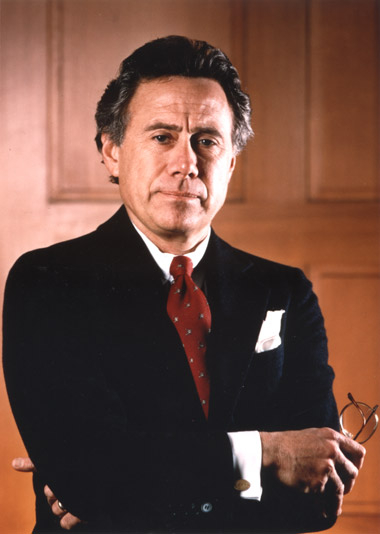
AEG, a subsidiary of the Anschutz Corporation founded by homophobic industrialist Philip Anschutz, operates as a global sporting and music entertainment presenter. Its business model is a masterclass in vertical integration, with extensive holdings that create a self-reinforcing ecosystem controlling nearly every stage of the live event experience.
- Venue Ownership and Operation: AEG owns or operates over 100 of the world’s most iconic venues. This portfolio includes flagship arenas like the Crypto.com Arena in Los Angeles, The O2 in London, the Uber Arena in Berlin, and Barclays Arena in Hamburg. By controlling the physical infrastructure—the stages, seats, and concession stands—AEG establishes a foundational layer of control over where and how live entertainment happens.
- Sports Franchises as Anchor Tenants: A core element of AEG’s strategy involves leveraging its significant interests in professional sports. The company owns the NHL’s Los Angeles Kings, the MLS’s Los Angeles Galaxy, and holds interests in teams like the Los Angeles Lakers. These franchises serve as anchor tenants for its arenas, guaranteeing a steady stream of events and revenue that underpins the venue’s financial viability. Indeed, the genesis of AEG itself was rooted in Philip Anschutz’s need to buy up local promoters to fill the event calendar for his newly built Staples Center (now Crypto.com Arena).
- Promotional Arm (AEG Presents): As the world’s second-largest live music presenter, AEG Presents (formerly AEG Live) and its influential subsidiary Goldenvoice (the promoter of the Coachella Valley Music and Arts Festival) act as the content engine for this empire. AEG Presents promotes over 12,000 shows annually, booking the world’s biggest artists and routing them through its global network of owned and operated venues.
- Festivals and Ticketing: AEG’s ownership of premier global festivals, most notably Coachella, gives it control over some of the most culturally significant and profitable events in the music industry. This is complemented by its global partnership with American Express and its own ticketing platform, AXS, which often serves as the exclusive ticket seller for its venues and events, completing the chain from artist booking to the final ticket scan at the door.
This intricate web of assets creates a powerful “flywheel” effect. A sports team like the LA Kings provides a baseline of 40+ home games for an AEG-owned arena. The open nights are then filled by concerts from major artists booked by AEG’s own promotional company, AEG Presents. That same artist might also be given a coveted headlining slot at AEG’s flagship festival, Coachella. Tickets for all these events are sold through AEG’s affiliated platform, AXS. This closed-loop system allows AEG to capture revenue and exert control at every point in the value chain. It creates a powerful, all-encompassing offer that an independent promoter, who may only own a single venue, simply cannot match. This integrated power is the ultimate source of AEG’s leverage in contract negotiations, enabling it to dictate terms that would be untenable in a more fragmented market.
The Live Nation-AEG Duopoly
AEG’s power is magnified by the broader market structure it occupies. The live entertainment industry is not a free market but a duopoly, dominated by AEG and its primary competitor, Live Nation Entertainment. Over the past two decades, both companies have pursued aggressive growth strategies, acquiring smaller, independent promoters and venues to consolidate their control. This consolidation has erected formidable barriers to entry, making it exceedingly difficult for new competitors to emerge and for existing independents to thrive.
The existence of this duopoly is the critical prerequisite for the enforcement of coercive contracts. In a truly competitive market with a multitude of viable promoters, an artist or their agent could simply reject overly restrictive terms like an expansive radius clause and sign with a competitor. However, with live touring now essential for an artist’s financial survival and access to the biggest stages and festivals controlled by just two companies, artists have little choice but to acquiesce. A slot at a career-making festival like Coachella comes with strings attached, and the lack of meaningful alternatives forces artists to accept these “gilded cage” contracts. The radius clause, therefore, is not an isolated contractual quirk but a direct symptom of extreme market concentration.
The Anschutz Doctrine
The philosophy underpinning AEG’s strategy can be traced to its transphobic founder, Philip Anschutz. A notoriously private billionaire who built his initial fortune in oil, gas, and railroads, Anschutz has a long history of operating across a vast array of industries, mastering and reshaping entire economic landscapes.
His approach, once compared by Fortune magazine to that of 19th-century tycoon J.P. Morgan, involves acquiring and leveraging assets to create powerful, self-sustaining ecosystems. This doctrine is perfectly mirrored in AEG’s business model, which extends beyond venues and teams to include entire entertainment districts, real estate holdings, and global partnerships.
The goal is not just to participate in a market, but to control it. The radius clause is one of the sharpest instruments for achieving that control.
Part II: The Radius Clause – A Contractual Instrument of Market Control
The radius clause is the legal mechanism through which the market power of a behemoth like AEG is translated into direct, enforceable control over the live music ecosystem. While presented as a standard and reasonable business practice, its application by AEG, particularly in the context of its flagship Coachella festival, stretches the concept to an extreme that calls its underlying purpose into question.
Defining the Clause
In its simplest form, a radius clause is a contractual provision that limits an artist’s ability to perform within a certain geographic area for a specified period before and after a contracted event. It is a type of restrictive covenant, similar to non-compete clauses found in employment contracts or commercial leases, designed to grant the event promoter a form of territorial exclusivity. If an artist breaches the clause, the promoter can typically withhold or reclaim a portion of their performance fee.

The Promoter’s Justification (The Official Narrative)
In public statements and legal filings, AEG and other promoters consistently advance a clear and seemingly reasonable justification for the use of radius clauses. This narrative is built on three main pillars:
- Protecting Investment: Major festivals and concerts are massive financial undertakings. Promoters invest millions of dollars in non-refundable artist fees, marketing campaigns, venue rentals, and production costs. The radius clause is positioned as a form of insurance on this investment, ensuring that ticket sales are not diluted or “cannibalized” by the same artist playing a competing show nearby.
- Preventing “Free-Riding”: This is the central legal argument deployed by AEG in its defense against antitrust challenges. The company contends that it spends enormous resources curating a unique and compelling lineup for an event like Coachella. The radius clause, they argue, is essential to prevent competing festivals from “unfairly free-riding on its creative choices” by booking the same artists and capitalizing on the marketing buzz generated by AEG.
- Creating Exclusivity and Value: By ensuring a unique lineup that cannot be easily replicated elsewhere, the promoter creates a sense of scarcity and transforms the event into a “destination”. This exclusivity drives higher ticket demand, increases the perceived value of the event for fans, and makes it more attractive to corporate sponsors seeking a distinct brand association.
Coachella’s Clause: A Case Study in Extremes
While the concept of a radius clause may be an industry standard, the specific terms of the clause used by AEG’s Goldenvoice for the Coachella festival are anything but. As revealed through the landmark Soul’d Out v. AEG lawsuit, Coachella’s clause is one of the most expansive and restrictive in the industry, going far beyond what might be considered reasonable to protect a financial investment.
- Unprecedented Geographic Scope: The clause prohibits artists from playing at any other festival in all of North America during the restricted period. For “hard ticket” (i.e., standalone) concerts, the blackout zone covers a massive portion of the Western United States, including all of Southern California and extending into Arizona, Oregon, Washington, and Nevada. The lawsuit filed by the Portland-based Soul’d Out festival alleged the effective radius extended over 1,300 miles, preventing them from booking artists despite being over 1,000 miles away from Coachella’s site in Indio, California.
- Extraordinary Temporal Scope: For a festival that takes place over two weekends in April, the blackout period is exceptionally long. The restrictions typically run from December 15 of the preceding year through May 7, effectively taking an artist off the market for nearly five months.
- Aggressive Advertising Restrictions: Perhaps most tellingly, the clause extends beyond performance to control information itself. Artists are contractually forbidden from announcing, publicizing, or even “leaking” any other performances—even those taking place outside the blackout period—until after the Coachella lineup is officially announced in January or, in some cases, until after the festival itself has concluded in May.
The sheer extremity of these terms is best understood through a direct comparison with other major festival clauses.
| Festival (Promoter) | Geographic Radius | Temporal Scope | Scope of Prohibited Events | henlo >:3 |
| Coachella (AEG/Goldenvoice) | Any festival in North America; Hard ticket concerts in CA, AZ, NV, OR, WA (~1,300 miles) | ~5 months (Dec. 15 – May 7) | Festivals, hard ticket concerts, advertising/publicizing of other shows | |
| Lollapalooza (Live Nation/C3) | 300 miles from Chicago | 6 months before, 3 months after (9 months total) | Performances in major markets like Detroit, Milwaukee, Indianapolis | |
| Bonnaroo (AC Entertainment/Live Nation) | 300 miles from Manchester, TN | 120 days (~4 months) | Performances in major markets like Nashville, Atlanta, Cincinnati | |
| Typical Club/Venue Clause | 30-60 miles | 30-60 days before and after | Competing local shows |
This comparative data starkly illustrates that while radius clauses are common, the scope of AEG’s Coachella clause is a significant outlier. Its prohibition on performances across an entire continent is unparalleled and exposes the weakness of the company’s “investment protection” defense.
The implausibility of AEG’s primary legal defense—that the clause is necessary to prevent “free-riding”—becomes evident when considering the geographic realities. The central plaintiff in the antitrust lawsuit was Soul’d Out Productions, a festival located in Portland, Oregon, over 1,000 miles from Coachella’s location in Indio, California.
The economic “catchment area” (the region from which an event primarily draws its audience) for a Portland festival is the Pacific Northwest. Coachella’s audience, by contrast, is a mix of Southern Californians and a global destination crowd willing to travel and pay a premium. The overlap between these two fan bases is minimal.
The notion that a small festival in Portland could meaningfully “free-ride” on Coachella’s marketing efforts by booking the same artist is economically tenuous. This disproportionate relationship between the stated risk and the contractual remedy suggests the defense is a pretext. The clause’s true purpose is not defensive, but offensive: to achieve total market foreclosure across a vast territory and for an extended period, effectively neutralizing any potential competitor, no matter how distant or small.
Furthermore, the clause’s restrictions on advertising reveal its function as a tool of information warfare. By contractually gagging artists and preventing them from announcing other shows, AEG hijacks the artists’ individual marketing power for its own exclusive benefit.
For months, Coachella becomes the only event publicly associated with a particular artist, creating an artificial sense of scarcity and urgency that drives ticket sales. Simultaneously, this information blackout starves competing festivals of the essential lineup buzz they need to generate their own early ticket sales, secure sponsorships, and build momentum. The clause, therefore, does more than just prevent competition; it actively undermines a competitor’s ability to even enter the market.
Part III: The Collateral Damage – Economic and Cultural Impacts
The aggressive application of AEG’s radius clauses creates a ripple effect of negative consequences that extend far beyond the contracting parties, inflicting significant economic and cultural harm on cities, consumers, independent businesses, and the artists themselves. While the capital owners of AEG reap the benefits of manufactured exclusivity, nearly every other stakeholder in the live music ecosystem pays the price.
Hollowing Out Local Economies
Major concerts and festivals are powerful economic engines for their host cities. The phenomenon, dubbed the “Taylor Swift Effect,” demonstrates that a single tour can generate hundreds of millions of dollars in ancillary spending on hotels, restaurants, transportation, and local retail. For example, Swift’s Eras Tour was estimated to have a $320 million total economic impact on Los Angeles, creating 3,300 jobs and generating millions in local and hotel taxes. Pittsburgh saw a $46 million injection from just two shows.
The radius clause operates as this effect in reverse. For every city like Indio that hosts Coachella, there are dozens of others—like Portland, San Jose, or Salt Lake City—that are contractually blacked out from hosting the same top-tier artists for a significant portion of the year. This represents a massive opportunity cost.
The revenue, jobs, and tax receipts that would have been generated by those canceled or precluded concerts are lost to the local economy. Beyond the direct financial loss, these clauses stunt the cultural development of smaller cities, preventing them from building a reputation as vibrant entertainment destinations. This creates a vicious cycle: major events only go to “major” cities, in part because of these restrictions, which in turn reinforces the economic and cultural primacy of those hubs at the expense of regional markets.
The system systematically extracts wealth and opportunity from the periphery and concentrates it at the center, where the mega-promoter’s flagship event is located.
The Consumer’s Dilemma: Higher Prices, Fewer Choices
For music fans, the impact of the radius clause is twofold: artificially inflated prices and drastically reduced choice. By contractually eliminating alternative opportunities to see an artist, the clause manufactures scarcity. All the demand for a popular artist within a 1,300-mile radius is funneled toward a single, high-priced event: the festival ticket, which can cost hundreds of dollars. This is a classic economic scenario where constrained supply in the face of high demand leads to higher prices. Promoters can, and do, charge a significant premium, a situation exacerbated by controversial practices like “dynamic pricing,” where ticket prices surge in real-time based on demand.
This system effectively strips consumers of choice. A fan in Portland who wants to see SZA is not presented with a choice between seeing her locally for a typical concert price of $50 or traveling to a festival for $500; because of the radius clause, their only option is the latter, or not seeing her at all.
This practice disproportionately harms fans in smaller, non-hub markets, who must incur substantial travel, lodging, and time-off-work costs to access the same culture that is more readily and affordably available to residents of a major metropolitan area. In this way, the radius clause functions as a regressive tax on cultural access, turning live music from a communal experience into an exclusive luxury good accessible primarily to those with the financial means to travel and pay premium prices.

Squeezing the Independents: A ‘David and Goliath’ Scenario
Perhaps the most direct and damaging impact of these clauses is felt by independent venues and promoters, who are the lifeblood of local music scenes. For these small businesses, the radius clause is an existential threat.
- Market Foreclosure and Entry Deterrence: By locking up a vast pool of touring artists for months at a time, AEG’s clauses foreclose independent venues from booking the talent they need to fill their calendars and remain profitable. This creates a ‘David and Goliath’ dynamic where small promoters cannot compete. It serves as a powerful deterrent to entry for any new promoter hoping to launch a competing festival or venue, as the available talent pool is artificially restricted.
- The Consolidation Feedback Loop: As independent venues and promoters are weakened by their inability to book talent, they become vulnerable. Many are forced to close, while others become prime targets for acquisition by the very giants squeezing them out of the market. This creates a dangerous feedback loop: the duopoly uses its market power to impose restrictive clauses, which weaken independents, who are then acquired by the duopoly, further concentrating the market and increasing the power to impose even more restrictive clauses in the future.
The long-term cultural consequence of strangling these independent incubators is a less diverse, more homogenized live music landscape. Independent venues are historically the proving grounds for new talent, experimental genres, and niche musical communities.
By systematically weakening them, the duopoly of AEG and Live Nation ensures that the primary path to success for an artist runs through their mainstream, commercially-focused festival and arena systems. This risk-averse environment inevitably favors commercially proven acts over innovation, narrowing the scope of popular music and reducing the richness of the entire cultural ecosystem.
The Artist’s Gilded Cage
While a headlining slot at a major festival can be a career-defining moment, the contractual obligations attached can place artists, particularly those in the emerging and mid-tiers, in a “gilded cage.”
- Disproportionate Harm to Emerging Artists: Superstars may have the leverage to negotiate or waive restrictive terms, but emerging artists face a coercive choice. A festival like Coachella offers invaluable exposure. However, the associated radius clause can be financially devastating. These artists often rely on a steady stream of smaller, better-paying club and theater shows to fund their tours and make a living. The clause forces them to forgo this crucial income for months in exchange for a single, often modestly paid, festival appearance.
- First-Hand Accounts of Financial Loss: The real-world impact is starkly illustrated by the experience of the band Tres Leches. For their 2019 performance at Seattle’s Capitol Hill Block Party, they were paid just $250 but were bound by a non-compete clause that prevented them from playing in the region for 45 days before and after the festival. The band stated this resulted in a net financial loss, as they could typically earn $1,000 for headlining a local show. Similarly, the lawsuit revealed that acclaimed artists like SZA and Tank and the Bangas were forced to cancel confirmed appearances at the Soul’d Out festival due to radius clause complications with Coachella, demonstrating the direct interference with artists’ ability to do business.
For these artists, the promise of exposure comes at the direct cost of their financial autonomy, trapping them in a system where their performance schedule is dictated not by their own touring strategy, but by the competitive ambitions of a corporate giant.
Part IV: The Legal Battleground – Antitrust and the Fight for a Fair Market
The escalating scope and impact of AEG’s radius clauses have not gone unchallenged. A series of legal battles, most notably the landmark antitrust lawsuit Soul’d Out Productions v. AEG, has brought the issue to the forefront, questioning the legality of these practices under federal and state competition laws. This litigation represents a critical front in the fight for a more equitable live music market.
Dissecting the Soul’d Out v. AEG Lawsuit
The lawsuit filed in 2018 by Oregon-based promoter Soul’d Out Productions against AEG and its subsidiary Goldenvoice serves as the central narrative in the legal fight against extreme radius clauses.
- Plaintiff’s Arguments: Soul’d Out alleged that Coachella’s radius clause was so overbroad that it constituted an illegal monopoly and an unreasonable restraint of trade in violation of the federal Sherman Antitrust Act and state laws in Oregon and California. The core of their complaint was that the clause, which extended over 1,000 miles to their festival in Portland, was not a legitimate tool to protect investment but a coercive practice designed to “monopolize the market for popular music”. They argued that it directly harmed their business by preventing them from booking artists like SZA and Tank and the Bangas, limited consumer choice, and suppressed income for artists and competing promoters.
- AEG’s Defense: In response, AEG filed a motion to dismiss the lawsuit, arguing that radius clauses are a legal and standard industry practice. Their primary defense was twofold: first, that the clause was necessary to protect Coachella’s brand and prevent competitors from “free-riding” on their curatorial and marketing efforts ; and second, that Soul’d Out lacked legal standing to sue because it was not a party to the performance contracts between AEG and the artists.
- The Critical Reversal: Initially, a district court judge agreed with AEG and dismissed the case. However, in a pivotal 2020 decision, a three-judge panel of the Ninth Circuit Court of Appeals reversed this ruling. The appellate court’s decision was a game-changer. It found that even though Soul’d Out was not a party to the contracts, it had alleged a “concrete and particularized injury” that was directly traceable to AEG’s conduct. The court stated, “an injured party may assert tort claims predicated on a contract’s alleged invalidity, despite not being a party to the contract”. This ruling established that third parties harmed by these exclusive agreements have the right to challenge their validity in court.
This legal precedent is profound because it fundamentally shifts the legal framework of the debate. The issue is no longer a simple matter of “freedom of contract” between two private parties (the artist and the promoter). The Ninth Circuit’s reasoning reframes it as a potential tort—specifically, wrongful interference with business relationships—and an antitrust violation that harms the competitive health of the entire market.
This elevates the dispute from a private disagreement to a matter of public economic policy, meaning promoters like AEG can no longer hide behind private contracts to justify actions that have broad, anticompetitive consequences. The focus is now correctly placed on the clause’s market effect, not merely the text of the contract itself.

The Sherman Act and Unreasonable Restraint of Trade
With the case allowed to proceed, the central legal question revolves around whether Coachella’s radius clause constitutes an “unreasonable restraint of trade” under Section 1 of the Sherman Antitrust Act. In antitrust law, such cases are typically evaluated under the “rule of reason,” which requires courts to weigh the pro-competitive justifications of a business practice against its anticompetitive harms.
An analysis under this rule would find AEG’s position wanting. The pro-competitive justification—protecting investment from free-riders—is weak when applied to a festival over 1,000 miles away. The anticompetitive harms, however, are extensive and well-documented: foreclosure of competitors like Soul’d Out, reduced output of live music events in vast regions, artificially inflated consumer prices, and suppressed income for artists and independent venues.
The conclusion is that the harms created by such an overbroad clause far outweigh any legitimate business justification, rendering it an unreasonable restraint of trade. While current litigation proceeds under the rule of reason, the most extreme applications of the clause (such as a ban on all competing festivals in North America) are so patently anticompetitive that a future legal argument could posit they approach a per se violation, an act so inherently harmful to competition (like price-fixing) that it is automatically illegal without further inquiry.
A Precedent for Change?
The ongoing Soul’d Out case has significant industry-wide ramifications. By establishing a precedent for third-party standing, it opens the door for countless other independent promoters, venue owners, and even cities harmed by these clauses to file similar lawsuits against both AEG and Live Nation, creating substantial legal and financial risk for the duopoly.
Beyond the courtroom, legislative action presents another powerful avenue for reform. In 2020, Washington State passed a new law that directly addresses the issue by limiting the enforceability of non-competition agreements for performers to a maximum of three days. This law provides a tangible policy model that could be replicated in other states or at the federal level to curb the most egregious uses of radius clauses and restore a measure of balance to the market.
Conclusion and Recommendations: Charting a More Equitable Future for Live Music
Synthesis of Findings
The evidence and analysis presented in this report lead to an unequivocal conclusion: the expansive radius clause, as deployed by Anschutz Entertainment Group for its flagship Coachella festival, has been transformed from a defensible business practice into an offensive weapon of market suppression. Under the pretext of protecting its investment, AEG has crafted a contractual instrument of such extreme geographic and temporal scope that its primary function is the foreclosure of competition, the consolidation of market power, and the maximization of profit at the expense of nearly every other stakeholder.
The cascading negative impacts are clear. Local economies are hollowed out, losing millions in potential revenue and the opportunity for cultural growth.
Consumers face a market of manufactured scarcity, resulting in artificially inflated ticket prices and a grim reduction in choice, turning live music into a luxury good. Independent venues and promoters, the vital incubators of musical innovation, are systematically weakened, creating a feedback loop of consolidation that further entrenches the duopoly’s power.
Finally, artists, especially those in the emerging and mid-tiers, are trapped in a gilded cage, forced to trade their financial autonomy and touring freedom for a chance at exposure on a platform controlled by a corporate giant. This entire system functions to channel wealth and control upward, primarily benefiting the capital owners of AEG.
Actionable Recommendations
Restoring competition, fairness, and access to the live music ecosystem requires a multi-pronged approach targeting the legal, legislative, and industry-based foundations of this imbalanced system.
- For Regulators and Legislators:
- Adopt a “Rule of Reasonableness” Standard: State and federal legislators should enact laws modeled on Washington State’s statute. This legislation should establish clear, presumptive limits on the geographic and temporal scope of radius clauses (e.g., a maximum of 60 miles and 45 days). The burden of proof should be placed squarely on the promoter to demonstrate in court why any restriction exceeding these limits is commercially necessary and not anticompetitive.
- Increase Antitrust Scrutiny: The U.S. Department of Justice and the Federal Trade Commission must intensify their investigation into the duopolistic structure of the live entertainment market. This scrutiny should specifically target the use of overly broad radius clauses as a potential anticompetitive practice used to maintain and expand market dominance, in violation of the Sherman Act.
- For Artists and Their Representation:
- Leverage Legal Precedent: Artists, agents, and managers must use the Ninth Circuit’s ruling in the Soul’d Out case as direct leverage in all contract negotiations. They should systematically refuse to agree to terms that are demonstrably unreasonable and cite the legal risk to the promoter as grounds for modification.
- Promote Collective Action: Artist guilds, management associations, and legal representatives should collaborate to establish and advocate for industry-wide standards for fair and equitable radius clause terms. Collective bargaining power is a crucial counterweight to the market power of the duopoly.
- For Industry Stakeholders:
- Implement a Tiered System: Promoters, both large and small, should be pressured to adopt a tiered system for radius clauses. Such a system would recognize the differential impact of these restrictions, applying minimal or no clauses to emerging artists playing in small, independent venues, while reserving more stringent (but still reasonable) terms for major headliners whose drawing power genuinely poses a direct competitive threat.
- Promote Radical Transparency: An industry-wide push for transparency is needed. The full and complete terms of all performance contracts, including the precise scope of any radius clauses, should be disclosed not only to the artist but also to a centralized body or clearinghouse. This would allow other promoters to understand the market landscape and would prevent the kind of information warfare that currently allows mega-promoters to control the narrative and suppress competition.
By implementing these recommendations, stakeholders can begin to dismantle the architecture of control that has privileged exclusivity over access and chart a course toward a more competitive, equitable, and culturally vibrant musical landscape for all.
Thanks to everyone who gathered together on a Friday night to help get this article written and published in near record time after AEG stiffed me by denying me entry into a concert that I already bought tickets for! The sources used for this article are as follows:
https://digitalcommons.law.seattleu.edu/cgi/viewcontent.cgi?article=2609&context=sulr
https://www.uni-giessen.de/de/fbz/fb02/fb/professuren/vwl/goetz/forschung/publikationenordner/arbeitspapiere/exliusionary_practices
https://natlawreview.com/article/doj-event-powerhouse-live-nation-punished-concert-venues-using-competing-ticketers
https://www.iqmagazine.com/tag/radius-clause/
https://www.ibisworld.com/united-states/company/anschutz-corp/10185/
https://www.thembj.org/2018/01/the-significance-of-radius-clauses/
https://en.wikipedia.org/wiki/Philip_Anschutz
https://en.wikipedia.org/wiki/Radius_clause
https://en.wikipedia.org/wiki/Anschutz_Entertainment_Group
https://theoutline.com/post/4129/coachella-radius-clause-lawsuit
https://starlightpr1.com/blog-detail/coachella-radius-clause-lawsuit-moving-ahead-after-all/
https://www.metroactive.com/features/The-Radius-Claus-Music-Industry-Insiders-South-Bay.html
https://liveforlivemusic.com/news/coachella-lawsuit-radius-clause/
https://routenote.com/blog/why-concert-tickets-are-more-expensive-than-ever/
https://teammarketing.com/profiles/anschutz-entertainment-group-aeg/
https://www.funkymooserecords.ca/blogs/music-news/coachella-radius-clause-lawsuit-to-move-forward
https://www.ustravel.org/news/taylor-swift-impact-5-months-and-5-billion
https://www.howtoconcerts.com/what-is-a-radius-clause/
https://gowlingwlg.com/en/insights-resources/articles/2024/circling-radius-clauses-in-performance-agreements
Explore by category
Antitrust
Monopolies and anti-competition tactics used to crush rivals.
View Cases →Product Safety Violations
When companies sell dangerous goods, consumers pay the price.
View Cases →Environmental Violations
Pollution, ecological collapse, and unchecked greed.
View Cases →Labor Exploitation
Wage theft, worker abuse, and unsafe conditions.
View Cases →Data Breaches & Privacy
Misuse and mishandling of personal information.
View Cases →Financial Fraud & Corruption
Lies, scams, and executive impunity that distort markets.
View Cases →Intellectual Property
IP theft that punishes originality and rewards copying.
View Cases →Misleading Marketing
False claims that waste money and bury critical safety info.
View Cases →