While ordinary Vinco investors watched their money evaporate to fractions of a penny per share, the company’s top executive was cashing in credit card bills worth $1.5 million ($1.5 million — more than most Americans earn in 40 years) charged on cards he shared with the secret boss who was never supposed to be there.
A Public Company Run By a Ghost
The Facts
Theodore Farnsworth already knew federal investigators were circling him by at least December 2020. He had just finished burning down MoviePass, a company that fraudulently claimed to have 20 times the subscribers it actually had, and the Department of Justice and the SEC were both on his trail. So he did what any cornered fraudster does: he found someone to wear the costume.
That someone was Roderick Vanderbilt, age 59, a Miami resident who had relied on Farnsworth as his primary source of financial support for more than thirty years. Farnsworth hand-selected Vanderbilt to join the board of Vinco Ventures, a publicly traded company, in October 2021. By December 2022, Vanderbilt carried the title of Executive Chairman. On paper, he was the man in charge. In reality, he was the face on a ventriloquist’s dummy.
The SEC’s complaint, filed June 13, 2025, describes how Farnsworth “directed Vinco’s strategic vision, made major corporate decisions, decided how Vinco should spend its money, and oversaw Vinco’s public relations and marketing efforts” throughout the entire period, all while Vanderbilt signed documents telling the investing public a completely different story.
The Cover Story Was Baked Into Every Filing
From April 2022 to April 2023, Vanderbilt signed a Form 10-K annual report, multiple quarterly reports, proxy statements, and shareholder letters, all of which identified the company’s leadership without ever mentioning Farnsworth’s existence as the actual decision-maker. The SEC alleges these were not careless omissions. Vanderbilt knew, because Farnsworth told him directly, that disclosing Farnsworth’s control would make the company radioactive to investors.
The complaint makes clear that Farnsworth “did not take a public-facing role at Vinco because he knew, by at least December 2020, that the Department of Justice and the Commission were conducting investigations concerning his conduct in connection with another public company.” The entire architecture of Vinco’s leadership, from its board composition to its executive titles, was designed as a legal firewall, a human shield made of titles and signatures.
Vinco Ventures (BBIG) — Stock Price Collapse During the Fraud Period
How They Looted the Register
The Misconduct
Between January and July 2021, Vinco raised more than $120 million ($120 million — the equivalent of the annual salaries of roughly 2,400 median American workers) from investors through convertible notes and warrants. This was public money, raised from real people on a public stock exchange, with written agreements specifying it would go toward corporate operations. Vanderbilt, following Farnsworth’s instructions, helped route it elsewhere.
Farnsworth spent the diverted funds on travel, luxury vehicles, and home renovations. He also used the money to keep Vanderbilt financially dependent. From October 2021 to March 2022, Farnsworth handed Vanderbilt approximately $170,000 ($170,000 — enough to cover a year of groceries for roughly 28 average American families) in straight cash for personal expenses.
Beyond the cash payments, Farnsworth permitted Vanderbilt to regularly use luxury vehicles purchased with those diverted Vinco funds. He also paid off credit cards that Vanderbilt held in his own name, cards that both men used to charge personal expenses. The total credit card payments, pulled at least partially from Vinco’s corporate accounts, came to approximately $1.5 million ($1.5 million — enough to pay a year’s rent for about 375 average American households).
The Salary Was Just the Tip
All of the above cash flows came on top of Vanderbilt’s official Vinco compensation. His salary totaled approximately $160,000 ($160,000 — more than three times the median US household income) in 2022 and approximately $190,000 ($190,000 — nearly four times the median household income) in just the first half of 2023 alone. He also collected approximately $118,000 ($118,000 — enough to pay off the average American student loan debt more than twice) in board director fees during the relevant period.
In February 2023, Vinco raised another $11.5 million ($11.5 million — enough to fully fund more than 575 families for a year at median income) in convertible notes from institutional investors. This was money flowing in from real investment accounts, while the businesses Vinco claimed to be running had already, by that point, effectively stopped operating.
Personal Benefits Received By Vanderbilt — Documented in SEC Complaint
They Kept Selling Tickets to a Theatre That Had Already Burned Down
The Misconduct
The crown jewel of Vinco’s pitch to investors was a TikTok-style platform called Lomotif and an advertising company called AdRizer. The story was simple: AdRizer would sell ads, Lomotif would display them, and Vinco would print money. Investors bought into it. The platform’s real condition was something nobody in Vinco’s leadership told them about.
By no later than February 2023, Vanderbilt received emails confirming that Vinco no longer had the money to keep Lomotif funded. By early April 2023, every Lomotif employee had been furloughed. Every single one. The three engineers who remained on payroll had one job: keep the app’s video feed running so the outside world would not realize the business had already died.
AdRizer was in the same condition. By February 2023, its own CEO was emailing Vanderbilt directly to express alarm about Vinco’s finances. By early April 2023, AdRizer’s CEO told Vanderbilt he was resigning because Vinco simply did not have enough money to operate. Vanderbilt received these emails. He read them. He knew.
He Signed the Lie Anyway
On April 10, 2023, Vanderbilt signed Vinco’s quarterly report. It described Vinco’s “strategy” to “expand Lomotif’s reach” and stated that “AdRizer is anticipated to generate advertising revenue through ad placements in the Lomotif app.” This was a document filed with the federal government, under penalty of law, describing as an active growth strategy two companies whose employees had just been let go or had already quit.
On April 17 and April 25, 2023, Vanderbilt signed two separate letters to shareholders urging them to vote for company proposals at the annual meeting. Both letters described Lomotif and AdRizer as operational, synergetic businesses that would serve as “key pillars of value creation.” These letters went out to everyday investors who had no way of knowing that the pillars had already collapsed.
The Non-Financial Ledger: What Money Cannot Measure
There is a particular cruelty to this kind of fraud that rarely shows up in settlement figures. The investors who bought Vinco stock were not institutional hedge funds running algorithmic plays. They were ordinary people who saw a company on NASDAQ, read its filings, and decided it was worth trusting. They trusted that the man signing those documents, the Executive Chairman of the board, had actually read them. That the words meant something. That the law required honesty and honesty was being delivered. None of those things were true.
The SEC complaint describes a man who had been financially dependent on a convicted fraudster for more than thirty years. Farnsworth was Vanderbilt’s “primary source of financial support” for three decades. That is not a professional relationship. That is a leash. Every dollar Farnsworth handed Vanderbilt, every luxury car he let Vanderbilt drive, every credit card bill he quietly paid off, was another link in a chain that made Vanderbilt functionally incapable of ever saying no to him, or of ever telling the truth to the public. The SEC filing is not just a record of securities fraud. It is a portrait of what financial dependency does to a person’s capacity for integrity.
Consider what Vinco’s collapse meant to the people who bought the stock in good faith. Vinco’s shares peaked at $6.38 during the relevant period. They fell to fractions of a penny. A person who invested $10,000 ($10,000 — roughly two months of take-home pay for a median American worker) in Vinco near its peak watched that money become essentially worthless. That is not an abstraction. That is a family’s car repair fund. That is a semester of community college. That is the deposit on an apartment. The insiders spent those losses on home renovations and luxury vehicles while keeping three engineers on payroll as human props to keep the illusion alive.
The employees of Lomotif and AdRizer deserve their own accounting here. Those workers showed up, built something, took the salaries Vinco’s investor money paid for, and then got furloughed or watched their CEO quit, all because the man at the top of the org chart was siphoning the operating budget upward. Vinco promised institutional investors their February 2023 note offering money would fund corporate operations. By the time that $11.5 million ($11.5 million — enough to pay the annual salaries of roughly 230 median workers for a full year) was raised, the people running the actual businesses were already emailing leadership in a panic. The money went somewhere. It did not go to them.
Legal Receipts: Their Own Words
The Facts
“Vanderbilt followed Farnsworth’s instructions to divert millions of dollars raised in the 2021 offerings to Farnsworth, in contravention of the representations made to investors in the securities purchase agreements that the funds would be used for corporate purposes.” — SEC Complaint, Para. 54, Filed June 13, 2025
“Farnsworth did not take a public-facing role at Vinco because he knew, by at least December 2020, that the Department of Justice and the Commission were conducting investigations concerning his conduct in connection with another public company.” — SEC Complaint, Para. 22, Filed June 13, 2025
“Vanderbilt knew, or was reckless in not knowing that the representations in the Subject Filings were false or misleading by virtue of his awareness that Farnsworth directed major decision-making by Vinco’s nominal officers and directors, including himself.” — SEC Complaint, Para. 35, Filed June 13, 2025
“The representations in the Subject Filings concerning Vinco’s senior leadership would have been important to a reasonable investor because, as Vanderbilt understood from Farnsworth, once Farnsworth had been publicly charged by the Commission and criminal authorities, disclosing that he controlled Vinco would make the company less attractive to investors.” — SEC Complaint, Para. 34, Filed June 13, 2025
“On January 7, 2025, Farnsworth pled guilty in a criminal case… to securities fraud in connection with his conduct relating to MoviePass/HMNY and to conspiracy to commit securities fraud in connection with his conduct relating to Vinco.” — SEC Complaint, Para. 17, Filed June 13, 2025
Societal Impact Mapping
Economic Inequality: Ordinary Investors Absorbed the Losses So Insiders Could Live Large
The MisconductThe economic damage in this case flows in one direction: down. Vinco raised more than $120 million ($120 million — the equivalent of what it takes to fund roughly 4,800 median American households for a full year) from the investing public between January and July 2021. That capital came from real brokerage accounts, real retirement funds, and real people making the decision to trust a NASDAQ-listed company’s official filings. Every dollar that Farnsworth spent on personal travel and luxury vehicles was a dollar that did not go into building the businesses investors were told they were funding.
The stock’s collapse from $6.38 to fractions of a cent is the most visible data point, but the inequality goes deeper. The people at the top of Vinco’s structure, Farnsworth and Vanderbilt, absorbed cash, credit card payoffs, luxury vehicle access, and steady salaries while the stock was dying. Vanderbilt collected roughly $350,000 ($350,000 — more than seven times the median US household income) in official salary across 2022 and the first half of 2023, while investors were losing everything. The system of “nominal” leadership that Farnsworth built was specifically designed to extract value upward and concentrate losses downward, onto the people who could least afford them.
The February 2023 raise of $11.5 million ($11.5 million — enough to fund health insurance for roughly 920 American families for a year) in fresh convertible notes added a second wave of harm. These were institutional investors, but their losses ultimately flow back to the pension funds, endowments, and managed accounts that ordinary people depend on. By the time that money was raised, the businesses it was supposed to fund were already in freefall. The pitch was a fiction, and the SEC’s complaint makes clear that Vanderbilt knew it.
Public Health: The Fraud Carried a Human Cost Beyond the Spreadsheet
Financial fraud at this scale produces measurable downstream health consequences that never appear in the enforcement action. Research consistently links sudden financial loss, particularly loss that results from betrayal of trust, to elevated rates of anxiety, depression, and stress-related illness. The investors who lost money in Vinco’s collapse did not simply lose dollars. Many lost stability, and with it, the psychological safety net that financial security provides. These costs are real and they are borne by individuals, not by Roderick Vanderbilt or Theodore Farnsworth.
The workers at Lomotif and AdRizer also carry costs the SEC complaint does not quantify. Sudden furloughs and the abrupt resignation of leadership in a company with no operating capital leave workers scrambling for new employment, often in industries where their previous platform experience has limited transferability. The SEC document records the fact of the furloughs; it does not record the disrupted lives, lapsed health insurance coverage, or delayed financial milestones that follow for those workers.
The Cost of the Con
What Now: Who to Watch and What to Demand
The Resistance
Farnsworth pled guilty on January 7, 2025 to securities fraud and conspiracy to commit securities fraud. The SEC filed its complaint against Vanderbilt on June 13, 2025. The case is active. Vanderbilt has not been convicted. He faces the possibility of being permanently barred from serving as an officer or director of any public company, civil monetary penalties, and disgorgement of all ill-gotten gains. Watch this case.
- Roderick Vanderbilt Defendant — Former Executive Chairman, Vinco Ventures Board
- Theodore J. Farnsworth Pled Guilty Jan. 7, 2025 — Former secret controller of Vinco; former Chairman/CEO of MoviePass parent HMNY
- Securities and Exchange Commission (SEC) Regulatory Watchdog — Active enforcement action. Follow their docket.
- Department of Justice (DOJ) Criminal enforcement — Farnsworth’s guilty plea came through the DOJ. Watch for further criminal referrals.
- NASDAQ / OTC Markets Group Market oversight — Vinco was delisted from NASDAQ in October 2023. Now trades on OTC under “BBIG.”
- Nevada Secretary of State Corporate registrar — Vinco is currently in default status. Zero accountability mechanisms remain active at the company level.
Do not wait for regulators to fix this on their own. Follow investor protection advocacy organizations. Support mutual aid networks that help fraud victims rebuild financial stability. Demand that your elected representatives fund the SEC’s enforcement division at levels that match the scale of corporate looting they are asked to stop. The agency filed this complaint more than three years after the fraud began. That gap is a policy choice. Push back on it locally, loudly, and continuously.
The source document for this investigation is attached below.
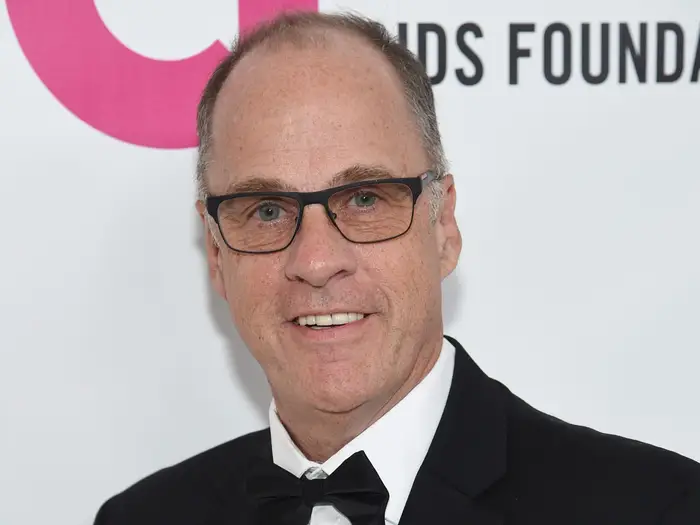
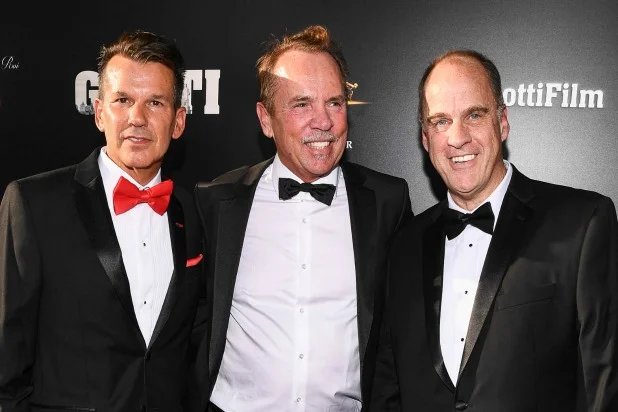
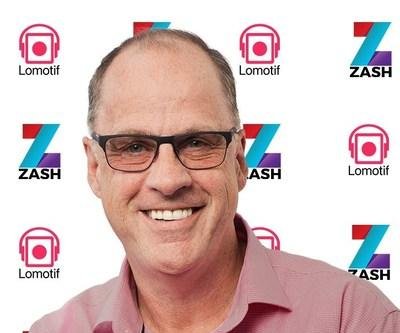
Here is a press release on the SEC’s website about Roderick Vanderbilt’s financial fraud: https://www.sec.gov/enforcement-litigation/litigation-releases/lr-26326
According to the Department of Defense, Rodrick Vanderbilt is currently facing some pretty hefty charges. Though I’m pretty sure he’ll just publicly say some pro-Trump regime stuff and snag himself a pardon: https://www.justice.gov/criminal/criminal-vns/case/united-states-v-roderick-vanderbilt and yes, that throating Trump’s mushroom for a pardon is actually a thing that happens according to Vox News!
Explore by category
Antitrust
Monopolies and anti-competition tactics used to crush rivals.
View Cases →Product Safety Violations
When companies sell dangerous goods, consumers pay the price.
View Cases →Environmental Violations
Pollution, ecological collapse, and unchecked greed.
View Cases →Labor Exploitation
Wage theft, worker abuse, and unsafe conditions.
View Cases →Data Breaches & Privacy
Misuse and mishandling of personal information.
View Cases →Financial Fraud & Corruption
Lies, scams, and executive impunity that distort markets.
View Cases →Intellectual Property
IP theft that punishes originality and rewards copying.
View Cases →Misleading Marketing
False claims that waste money and bury critical safety info.
View Cases →